Best Taxi Dispatch Software UK: Small Fleets
Best Taxi Dispatch Software UK: Small Fleets
January 24, 2026
Navigating the Digital Highway: Best Taxi Dispatch Software for Small UK Fleets
Did you know that the UK taxi and private hire industry is a significant contributor to the economy, with millions of journeys taken daily? In 2023 alone, the sector is estimated to be worth billions of pounds. For small taxi fleets operating within this bustling market, efficiency, reliability, and customer satisfaction are not just buzzwords; they are the bedrock of survival and growth. The days of relying on paper logs and shouted radio commands are rapidly fading, replaced by the sophisticated capabilities of taxi dispatch software. This technology is no longer a luxury; it’s an essential tool for any forward-thinking small fleet aiming to compete and thrive.
Choosing the right dispatch software can feel like navigating a complex maze. With numerous options available, each touting its own set of features and benefits, making an informed decision is paramount. This guide will demystify the world of taxi dispatch software, focusing specifically on the needs of small fleets in the UK. We’ll explore what makes software ideal for smaller operations, delve into key features to look for, and highlight some of the top contenders in the market, helping you find the perfect digital co-pilot for your business.
Why Small Taxi Fleets Need Dedicated Dispatch Software
Small taxi fleets, often defined by their limited number of vehicles (typically between 2 and 20), face unique challenges. They might not have the vast resources of larger companies, but they still need to offer a professional, seamless service. This is where dedicated dispatch software shines.
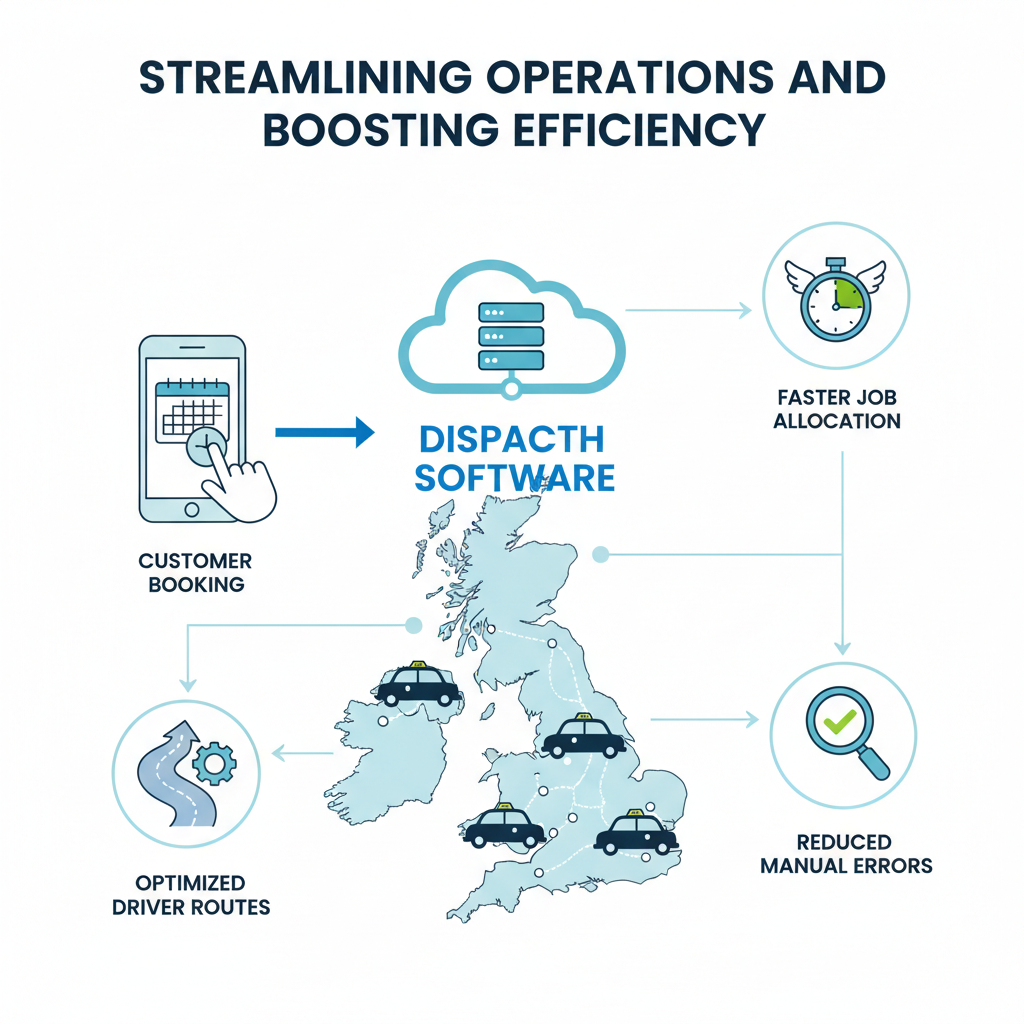
Streamlining Operations and Boosting Efficiency
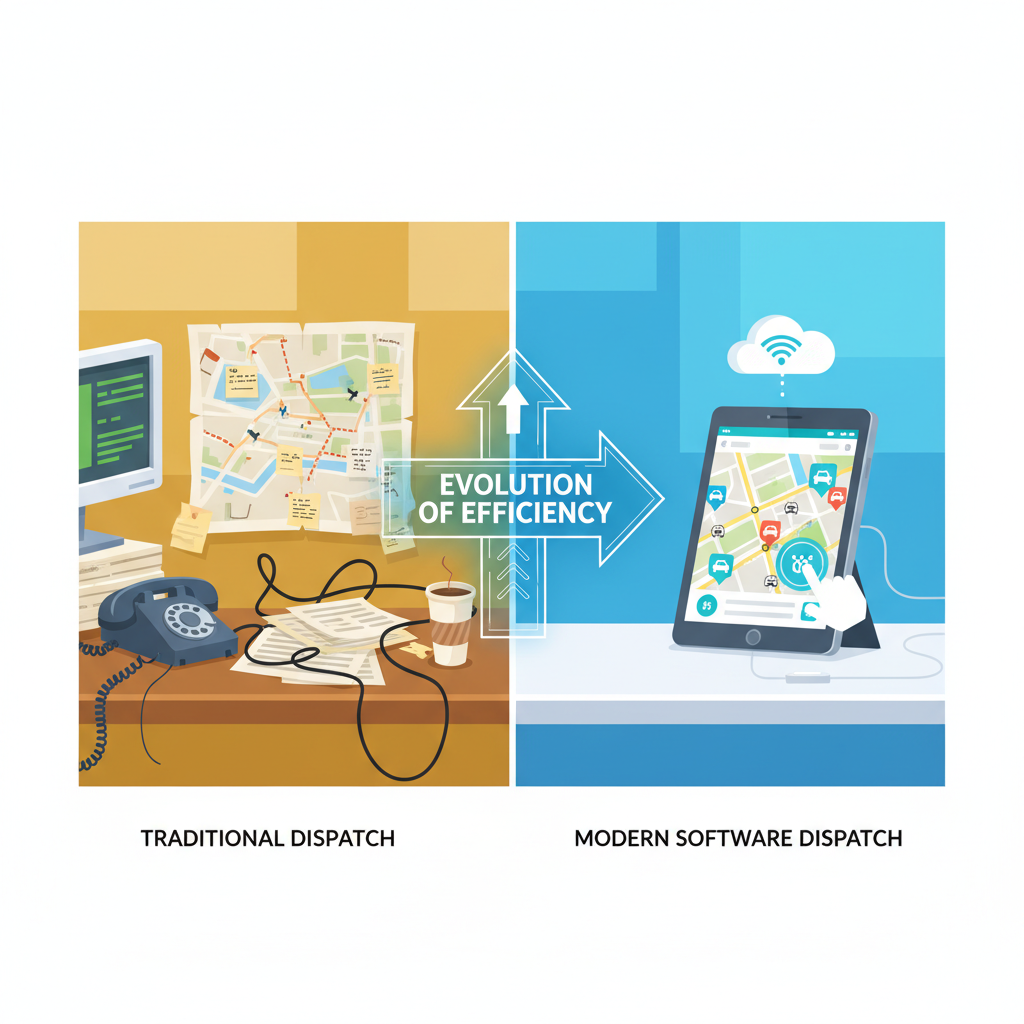
At its core, dispatch software automates and optimizes the process of assigning jobs to drivers. Instead of a dispatcher manually tracking driver locations, taking calls, and assigning rides, the software does it intelligently. This leads to:
- Faster Job Allocation: Algorithms can identify the closest available driver to a pick-up location, significantly reducing waiting times for customers. This is crucial for keeping passengers happy and encouraging repeat business.
- Reduced Manual Errors: Human error is inevitable, especially under pressure. Software minimizes mistakes in booking, dispatching, and billing, saving time and preventing costly issues.
- Optimized Driver Routes: Many systems include GPS and mapping integration, allowing drivers to find the quickest routes, saving fuel and time.
- Real-time Visibility: Dispatchers and managers gain a clear, real-time overview of all vehicle locations, job statuses, and driver availability. This allows for proactive problem-solving and better resource management.
Enhancing Customer Experience
In today’s competitive market, customer experience is a key differentiator. Dispatch software directly impacts this by:
- Accurate ETAs: Customers can receive precise estimated times of arrival for their pick-up, reducing anxiety and improving their perception of your service.
- Mobile Booking Apps: Many software solutions come with customer-facing apps, allowing passengers to book rides, track their driver, and pay digitally – mirroring the convenience offered by ride-sharing giants.
- Professional Communication: Automated notifications (e.g., driver arriving, job completed) keep customers informed and engaged.
- Feedback Mechanisms: Integrated systems can facilitate customer feedback, providing valuable insights for service improvement.
Cost Savings and Revenue Growth
While there’s an initial investment, the long-term benefits in terms of cost savings and revenue growth are substantial:
- Fuel Efficiency: Optimized routing directly translates to lower fuel consumption.
- Increased Utilization: By minimizing downtime and ensuring efficient job allocation, drivers can complete more jobs per shift, increasing revenue.
- Reduced Administrative Overhead: Automation reduces the need for extensive manual data entry and paperwork.
- Improved Driver Management: Software can track driver performance, punctuality, and earnings, aiding in fair compensation and performance reviews.
Key Features Every Small UK Taxi Fleet Should Consider
When evaluating taxi dispatch software for a small fleet in the UK, certain features are non-negotiable. Prioritize those that directly address your operational needs and budget.
Core Dispatching Capabilities
- Automated Dispatch: The ability to automatically assign jobs to the nearest or most suitable driver based on pre-set rules.
- Manual Override: Flexibility for dispatchers to manually assign jobs when necessary, for example, for VIP clients or complex situations.
- Real-time GPS Tracking: Essential for monitoring driver locations, managing job progress, and ensuring safety.
- Job Management: A clear system for creating, assigning, tracking, and completing bookings.
Driver Management Tools
- Driver App: A user-friendly mobile application for drivers to receive job alerts, navigate, update job status, and communicate with dispatch.
- Driver Availability Status: Drivers should be able to set their status (e.g., online, offline, on-break) easily.
- Performance Monitoring: Basic metrics on driver acceptance rates, completion times, and customer ratings.
Customer-Facing Features
- Customer Booking App: A branded app for passengers to book rides, track vehicles, and make payments.
- Web Booking Portal: An option for customers to book via a website.
- Automated Notifications: SMS or in-app alerts for booking confirmations, driver arrivals, and job completion.
Payment and Billing
- Integrated Payment Processing: Support for various payment methods, including credit/debit cards, and potentially mobile payment options.
- Automated Invoicing: Generating invoices for corporate clients or regular customers.
- Fare Calculation: Accurate fare calculation based on distance, time, and applicable tariffs.
Reporting and Analytics
- Basic Reports: Essential reports on completed jobs, driver earnings, peak hours, and popular routes.
- Data Export: The ability to export data for further analysis or accounting purposes.
UK-Specific Considerations
- Compliance: Ensure the software helps with compliance with UK regulations, such as GDPR for data privacy. Some software may also offer features to assist with Private Hire Vehicle (PHV) licensing requirements.
- Local Mapping Data: Integration with reliable UK mapping services (e.g., Google Maps, Waze) is crucial.
- VAT and Tax Support: Features that simplify VAT calculations and reporting can be a significant advantage for UK businesses.
Top Taxi Dispatch Software Options for Small UK Fleets
Selecting the “best” software is subjective and depends on your fleet’s specific needs and budget. However, several providers consistently receive positive reviews for their suitability for small to medium-sized fleets in the UK. It’s important to note that pricing models vary significantly, from per-job fees to monthly subscriptions, and often depend on the number of vehicles and features required. Exploring options like taxi dispatch pricing can provide a clearer picture of the investment involved.
1. iCabbi
iCabbi is a well-established player in the taxi dispatch software market, known for its comprehensive feature set and scalability. While it caters to larger fleets, its modular approach means smaller operations can select the components they need. They offer a robust customer app, driver app, and advanced dispatching tools.
- Pros: Feature-rich, scalable, strong focus on branding and customer experience, good reporting.
- Cons: Can be more expensive for very small fleets, might have a steeper learning curve.
- Ideal for: Growing fleets or those looking for a premium, all-in-one solution.
2. Autocab (now part of Autocab)
Autocab has been a long-standing provider, offering a comprehensive suite of solutions from dispatch to payment. They provide a powerful platform that includes customer and driver apps, website integration, and advanced reporting. Their experience in the UK market is a significant advantage.
- Pros: Established UK presence, comprehensive features, robust platform, good support.
- Cons: Pricing can vary, potentially overwhelming for very basic needs.
- Ideal for: Fleets seeking a reliable, feature-packed system with strong UK market understanding.
3. Cordic
Cordic offers a cloud-based dispatch system designed for efficiency and ease of use. It provides real-time tracking, automated dispatch, customer and driver apps, and various payment integrations. Their focus on operational efficiency makes them a strong contender for small fleets.
- Pros: User-friendly interface, cloud-based accessibility, good value for money, strong focus on operational efficiency.
- Cons: May not have the absolute breadth of features of some larger enterprise solutions.
- Ideal for: Small to medium fleets prioritizing ease of use and efficient day-to-day operations.
4. Cab9
Cab9 is known for its modern, intuitive interface and strong focus on mobile-first technology. It offers a complete package including a customer app, driver app, dispatch console, and payment solutions. They often appeal to fleets looking for a sleek, contemporary solution.
- Pros: Modern and intuitive design, excellent mobile apps, competitive pricing for feature set.
- Cons: Newer compared to some legacy providers, so long-term track record might be less extensive in some areas.
- Ideal for: Tech-savvy fleets wanting a modern, integrated mobile experience.
5. Local Dispatch Systems (e.g., GoCar, Cabwise)
Beyond the major players, numerous smaller, often UK-focused software providers offer tailored solutions. These might include companies like GoCar or Cabwise, which often provide more localized support and potentially more flexible pricing for smaller fleets. They might focus on core dispatching and driver management without some of the advanced enterprise-level features.
- Pros: Potentially more affordable, localized support, tailored to specific regional needs.
- Cons: Feature sets can be more basic, scalability might be limited.
- Ideal for: Very small fleets on a tight budget, or those with very specific local operational requirements.
Making the Right Choice: A Step-by-Step Approach
Choosing the right software is a strategic decision. Here’s a structured approach to help your small fleet make the best choice:
Step 1: Define Your Needs and Budget
- List Must-Have Features: What are the absolute essential functionalities for your fleet to operate smoothly? (e.g., GPS tracking, automated dispatch, driver app).
- Identify Nice-to-Have Features: What features would be beneficial but aren’t critical? (e.g., advanced reporting, customer loyalty programs).
- Set a Realistic Budget: Consider both the upfront costs (if any) and the ongoing monthly or per-job fees. Remember to factor in potential savings from increased efficiency.
Step 2: Research and Shortlist Providers
- Read Reviews: Look for independent reviews and testimonials from other UK taxi fleets, especially those of similar size.
- Check Feature Lists: Compare the features offered by different providers against your defined needs.
- Inquire About UK Compliance: Ensure the software meets UK data protection (GDPR) and any relevant industry standards.
Step 3: Request Demos and Trials
- See the Software in Action: Never commit without a live demonstration. Ask the sales team to show you how the software handles your specific scenarios.
- Test Drive: If possible, take advantage of free trial periods. Involve your dispatchers and a few drivers in the testing process to get their feedback.
- Evaluate Ease of Use: Is the interface intuitive for dispatchers? Is the driver app easy for drivers to use on the go?
Step 4: Understand the Pricing Structure
- Transparent Costs: Ensure you understand exactly what you’re paying for. Are there hidden fees?
- Scalability of Pricing: How does the price change as your fleet grows? Does it remain competitive?
- Contract Length: Are you tied into a long-term contract, or is it a more flexible month-to-month arrangement?
Step 5: Evaluate Support and Training
- Availability of Support: What are the support hours? Is it UK-based support? What channels are available (phone, email, chat)?
- Training Resources: Does the provider offer comprehensive training materials or sessions for your team?
- Implementation Process: How smooth is the onboarding process?
The Future of Taxi Dispatch for Small Fleets
The taxi industry is constantly evolving, driven by technological advancements and changing consumer expectations. For small fleets, embracing this evolution through smart software adoption is key to staying competitive. We can expect to see continued integration of AI for more sophisticated dispatching and demand prediction, further enhancements in mobile app functionality, and potentially greater integration with other mobility services.
Investing in the right taxi dispatch software is not just about buying a product; it’s about investing in the future efficiency, profitability, and customer loyalty of your small taxi fleet. By carefully considering your needs, thoroughly researching options, and engaging with providers, you can select a solution that empowers your business to navigate the digital highway successfully.
Key Takeaways
- Essential Tool: Taxi dispatch software is crucial for small UK fleets to improve efficiency, customer service, and profitability.
- Core Features: Prioritize automated dispatch, real-time GPS tracking, driver apps, customer booking options, and integrated payments.
- UK Specifics: Consider UK regulations (GDPR), local mapping data, and potential tax support.
- Top Providers: Options like iCabbi, Autocab, Cordic, and Cab9 offer robust solutions, with many smaller providers also available.
- Smart Selection: Choose software by defining needs, researching thoroughly, testing demos, understanding pricing, and evaluating support.
Frequently Asked Questions (FAQs)
1. How much does taxi dispatch software typically cost for a small fleet in the UK?
The cost can vary significantly. Many providers offer tiered pricing based on the number of vehicles and features. For a small fleet (e.g., 5-10 vehicles), you might expect to pay anywhere from £50 to £300+ per month. Some may also charge a per-job fee. It’s crucial to get a personalized quote based on your specific requirements.
2. Do I need a dedicated dispatcher if I use taxi dispatch software?
While software automates many tasks, a human dispatcher is still often valuable, especially for small fleets. They can handle complex customer requests, manage exceptions, monitor operations, and provide a human touch. The software significantly reduces the workload on the dispatcher, allowing them to focus on higher-value tasks.
3. Can I use taxi dispatch software on my existing smartphones?
Yes, most modern taxi dispatch software solutions utilize cloud-based platforms and mobile apps that can be installed on standard smartphones (iOS and Android) used by both drivers and dispatchers. This avoids the need for expensive, dedicated hardware.
4. What is GDPR and how does taxi dispatch software relate to it?
GDPR (General Data Protection Regulation) is the EU data protection and privacy law. Taxi dispatch software handles a lot of personal data (customer names, addresses, phone numbers, payment details, driver information). Any software you use must be GDPR-compliant, meaning it has robust security measures, allows for data access and deletion requests, and has clear privacy policies. Reputable providers will be able to demonstrate their compliance.
5. How long does it take to implement taxi dispatch software?
Implementation time varies depending on the complexity of the software and the provider’s onboarding process. For simpler, cloud-based solutions, it can often be done within a few days to a couple of weeks. More comprehensive systems might take longer. Most providers will guide you through the setup, data migration (if needed), and training.
6. Are there any free taxi dispatch software options available?
While truly comprehensive and reliable free options for professional fleets are rare, some providers might offer very basic free tiers with limited features or a limited number of vehicles. These are often not suitable for a professional operation requiring reliability and advanced features. It’s generally recommended to invest in a paid solution for robust functionality and support.
External Resources
- Department for Transport (DfT): Provides information and statistics on the taxi and private hire industry in the UK. https://www.gov.uk/government/organisations/department-for-transport
- Federation of Small Businesses (FSB): Offers resources and support for small businesses, including those in the transport sector. https://www.fsb.org.uk/
- ICO (Information Commissioner’s Office): Provides guidance on data protection and GDPR compliance in the UK. https://ico.org.uk/