Cloud-Based Taxi Systems: Elevating Fleet Efficiency

Managing a growing transportation fleet presents real challenges, from keeping drivers connected across major cities to meeting rising customer expectations for speed and reliability. As more companies compete in places like New York, London, and Sydney, owners must reconsider how traditional dispatch systems limit their potential. Cloud-based taxi systems stand out as the digital backbone that adapts to fleet size, regional needs, and evolving client demands while offering game-changing scalability for busy operations worldwide.
Key Takeaways
| Point | Details |
|---|---|
| Cloud-Based Taxi Systems Enhance Efficiency | These systems streamline operations through real-time data integration, automated dispatch, and performance analytics, significantly improving service quality. |
| Variety of Fleet Management Platforms | Operators can choose from basic to advanced cloud-based platforms, allowing them to select tools that best fit their operational scale and complexity. |
| Importance of Customization and Scalability | Modern cloud systems offer branding options and modular capabilities, enabling easy adjustments to meet unique business needs and growth. |
| Robust Security and Compliance | These dispatch systems incorporate multi-layered security protocols and ensure adherence to local regulations, protecting sensitive data effectively. |
Defining cloud-based taxi systems and misconceptions
Cloud-based taxi systems represent a transformative technological approach that reimagines traditional transportation dispatch through advanced digital infrastructure. These sophisticated platforms leverage internet connectivity and remote computing resources to revolutionize how taxi fleets operate, communicate, and manage their entire service ecosystem.
At their core, cloud-based taxi systems are integrated software platforms that enable real-time coordination between drivers, passengers, and fleet management through remote data processing and storage. Emerging research on mobility technologies demonstrates how these systems transcend traditional dispatch methods by utilizing cloud computing’s scalable and flexible architecture.
Key characteristics of modern cloud-based taxi systems include:
- Centralized data management across entire fleet operations
- Real-time GPS tracking and route optimization
- Automated booking and dispatch algorithms
- Seamless payment processing integrations
- Dynamic pricing capabilities
- Comprehensive driver and passenger performance analytics
Many transportation professionals harbor misconceptions about cloud technologies, often believing they are complex, expensive, or difficult to implement. In reality, cloud taxi dispatch systems offer remarkable flexibility and can be customized for fleets of any size, from small local services to large metropolitan operations. These platforms dramatically reduce operational overhead while providing unprecedented visibility into fleet performance.
Pro tip: Start by conducting a thorough assessment of your current dispatch workflow to identify specific areas where cloud technologies could generate the most immediate operational improvements.
Types of platforms for fleet management
Modern fleet management platforms have evolved into sophisticated technological ecosystems that go far beyond traditional dispatch systems. These digital solutions are designed to address the complex operational challenges faced by taxi and transportation services, offering comprehensive tools that transform how fleets are managed, monitored, and optimized.
Taxi operators can choose from several key types of taxi dispatch platform solutions, each tailored to different operational scales and business requirements. Cloud-based platforms represent the most advanced category, providing unparalleled flexibility and real-time management capabilities.
Primary types of fleet management platforms include:
- Basic Dispatch Platforms
- Simple booking and assignment systems
- Limited real-time tracking
- Manual driver allocation
- Intermediate Management Systems
- Automated routing capabilities
- Basic performance analytics
- Multiple vehicle type support
- Advanced Cloud-Based Solutions
- Machine learning dispatch algorithms
- Comprehensive performance dashboards
- Real-time GPS integration
- Predictive maintenance tracking
- Dynamic pricing mechanisms
- Comprehensive driver and passenger management
These platforms differ significantly in their technological sophistication, with cloud-based solutions offering the most robust features. Enterprise-grade platforms provide multi-layered functionality that enables transportation companies to streamline operations, reduce costs, and enhance overall service quality. By leveraging advanced data processing and machine learning technologies, these systems can predict demand, optimize routes, and provide actionable insights that were previously impossible to obtain.
Here’s a quick comparison of fleet management platform types and their optimal business fit:
| Platform Type | Ideal Fleet Size | Core Advantage | Sample Use Case |
|---|---|---|---|
| Basic Dispatch | Small local fleets | Low setup complexity | Independent taxi operators |
| Intermediate Management | Medium-sized operations | Entry analytics, automation | Regional taxi companies |
| Advanced Cloud-Based | Large, scalable fleets | Real-time, data-driven tools | Enterprise or city-wide fleets |
Pro tip: Evaluate your fleet’s specific operational needs and choose a platform that offers scalable features and seamless integration capabilities to maximize long-term technological investment.
Core features and how they operate
Cloud-based taxi dispatch systems represent a sophisticated technological ecosystem that goes far beyond simple booking mechanisms. These platforms integrate multiple complex features that work seamlessly to transform traditional transportation management into a data-driven, highly efficient operation.
The core operational framework of these systems is built around intelligent dispatch mechanisms that leverage advanced algorithmic processing. Real-time data integration becomes the backbone of these platforms, enabling instantaneous communication and decision-making across the entire transportation network.
Key operational features include:
- Automated Dispatch Logic
- Intelligent driver matching
- Proximity-based assignment
- Optimal route calculation
- Dynamic Resource Allocation
- Real-time vehicle availability tracking
- Demand prediction algorithms
- Flexible capacity management
- Performance Monitoring Systems
- Driver behavior analytics
- Passenger rating mechanisms
- Comprehensive performance dashboards
These platforms utilize sophisticated machine learning algorithms to continuously optimize fleet performance. By processing massive volumes of operational data, the systems can predict demand patterns, recommend efficient routing strategies, and provide actionable insights that traditional manual dispatch could never achieve. The technology enables transportation companies to make data-driven decisions that directly impact operational efficiency and customer satisfaction.
This table summarizes how different cloud dispatch features directly impact business performance:
| Feature Category | Operational Impact | Business Benefit |
|---|---|---|
| Automated Dispatch | Faster ride assignment | Reduced wait times for customers |
| Dynamic Allocation | Optimized fleet utilization | Higher completed trip revenue |
| Performance Analytics | Early issue identification | Improved driver and passenger quality |
Pro tip: Implement a phased integration approach when adopting cloud-based dispatch systems, starting with core features and progressively expanding to more advanced functionalities.
Branding, integrations, and scalability options
Cloud-based taxi dispatch platforms recognize that each transportation business has unique operational requirements and brand identity. Modern systems offer unprecedented flexibility in customization, allowing companies to maintain their distinctive visual and operational characteristics while leveraging advanced technological infrastructure.
Companies can customize dispatch platform features across multiple critical dimensions. Branding customization encompasses visual elements like logos, color schemes, and user interface designs, ensuring that the digital platform feels like a natural extension of the existing transportation service.
Key customization and integration capabilities include:
- Branding Customization
- Custom color palette
- Logo placement and sizing
- Branded mobile app interfaces
- Consistent typography across platforms
- Third-Party Integrations
- Payment gateway connections
- Mapping and navigation services
- Accounting software links
- Customer relationship management systems
- Scalability Features
- Flexible user role management
- Modular feature additions
- Multi-location support
- Unlimited driver/vehicle profiles
The enterprise-grade platforms provide remarkable adaptability, allowing transportation companies to scale their technological infrastructure seamlessly. These systems are designed with a modular architecture that enables businesses to add features, expand geographical coverage, and integrate new technologies without disrupting existing operations. The ability to customize and scale represents a fundamental advantage over traditional, monolithic dispatch systems.
Pro tip: Conduct a comprehensive audit of your current technological ecosystem before selecting a cloud-based platform to ensure maximum compatibility and minimal integration friction.
Security, compliance, and data protection
In the transportation technology landscape, security and data protection are not optional features but fundamental requirements for maintaining trust and operational integrity. Cloud-based taxi dispatch systems must navigate complex regulatory environments while protecting sensitive information from potential cyber threats and unauthorized access.

Modern platforms implement intelligent security frameworks that go beyond traditional protection mechanisms. Multi-layered security protocols are designed to safeguard critical data across driver, passenger, and administrative systems, ensuring comprehensive protection throughout the entire technological ecosystem.
Key security and compliance features include:
- Data Encryption
- End-to-end communication encryption
- Secure data storage protocols
- Advanced cryptographic algorithms
- Regular security key rotations
- Access Control Mechanisms
- Role-based authentication
- Multi-factor identification
- Granular permission settings
- Comprehensive user activity logging
- Regulatory Compliance
- GDPR compatibility
- Payment Card Industry (PCI) standards
- Local transportation regulatory requirements
- Regular third-party security audits
Enterprise-grade cloud platforms integrate sophisticated security architectures that provide robust protection against potential vulnerabilities. These systems continuously monitor and adapt to emerging cyber threats, implementing real-time threat detection and automated response mechanisms. By maintaining strict security standards, transportation companies can ensure data integrity, protect user privacy, and maintain regulatory compliance across diverse operational environments.
Pro tip: Conduct periodic comprehensive security assessments and maintain updated incident response protocols to proactively address potential cybersecurity risks in your cloud-based dispatch system.
Financial impact and cost factors
Cloud-based taxi dispatch systems represent a strategic financial investment that goes beyond traditional technology expenditures. These platforms are designed to generate substantial operational efficiencies and cost savings that can dramatically transform a transportation company’s economic performance.
Transportation businesses can evaluate dispatch platform economics through multiple financial lenses. Cost structure analysis reveals that cloud platforms offer significant advantages over legacy technological infrastructures, with flexible pricing models that adapt to varying business scales and operational requirements.
Key financial considerations include:
- Initial Investment Factors
- Subscription-based pricing models
- Minimal upfront hardware costs
- Reduced IT infrastructure expenses
- Scalable implementation strategies
- Operational Cost Reduction
- Decreased manual administrative work
- Lower communication expenses
- Optimized fuel consumption
- Reduced vehicle maintenance costs
- Revenue Enhancement Mechanisms
- Improved booking efficiency
- Dynamic pricing capabilities
- Enhanced customer retention
- Reduced operational friction
Enterprise-grade cloud dispatch systems provide comprehensive financial benefits by transforming fixed technological expenses into variable, performance-linked investments. These platforms enable transportation companies to convert traditional cost centers into strategic revenue generation mechanisms, with predictable monthly expenditures that scale proportionally with business growth and operational complexity.
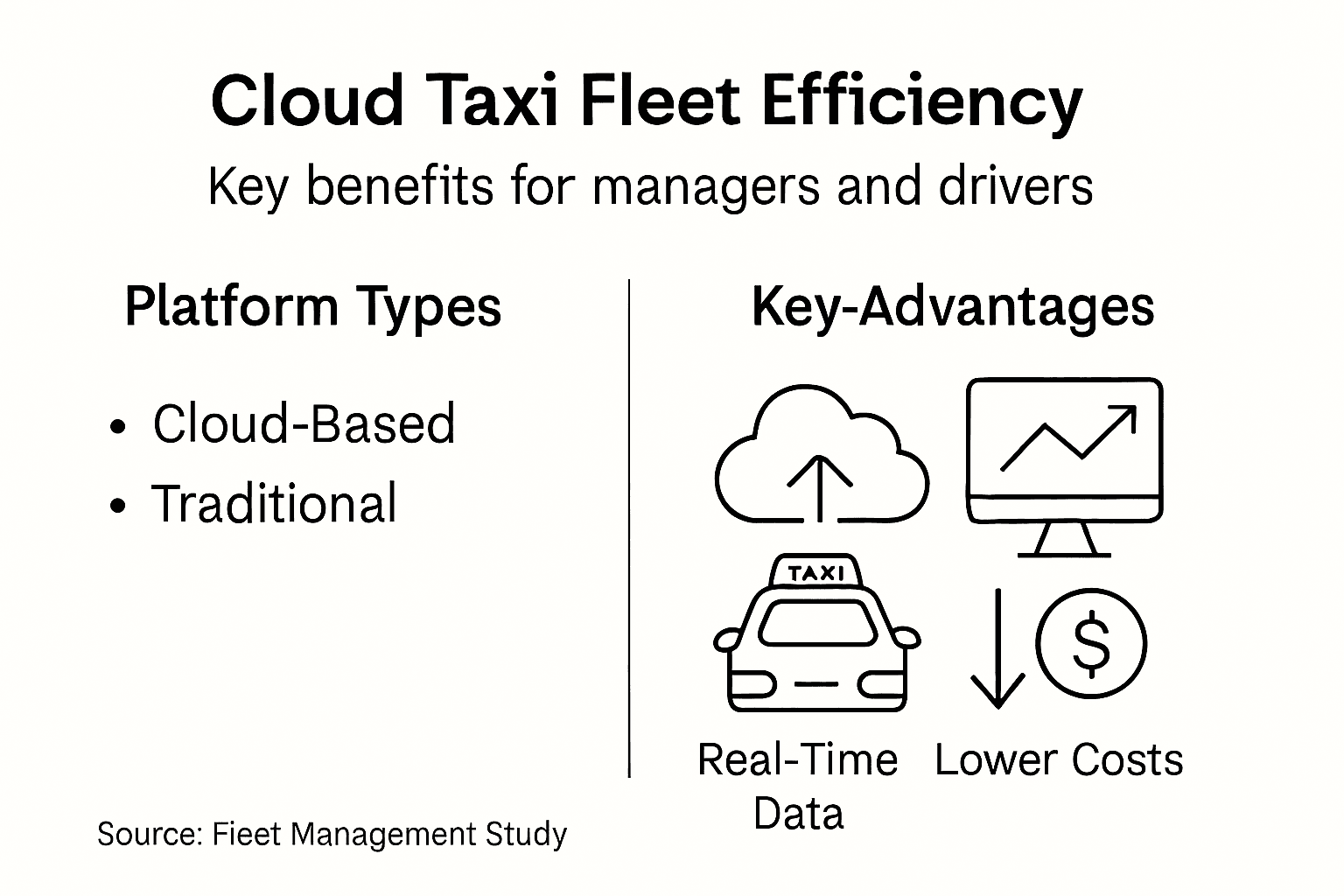
Pro tip: Conduct a detailed return on investment (ROI) analysis comparing your current technological infrastructure against cloud-based solutions to understand potential long-term financial advantages.
Unlock Superior Fleet Efficiency with Custom Cloud-Based Solutions
Managing a transportation fleet requires precision, real-time data, and seamless integration to stay ahead in today’s competitive market. This article highlights the challenges of traditional dispatch systems and the transformative power of cloud-based taxi systems that offer automated dispatch logic, real-time GPS tracking, and performance analytics. If your business faces issues like inefficient driver allocation or limited operational visibility, leveraging these advanced technologies is essential to maximize productivity and customer satisfaction.
At Taxi Web Design, we specialize in delivering fully branded and customizable cloud dispatch platforms tailored for taxi, limo, and chauffeur services. Our solutions ensure zero commission models, robust data security, and scalable plans designed to match your fleet size. Backed by seamless integrations with payment gateways and Google Maps, plus dedicated onboarding and support, your business will enjoy reduced wait times, optimized route planning, and enhanced revenue potential.
Explore our Taxi Mobile App Archives to see user-friendly interfaces designed for drivers and passengers alike.
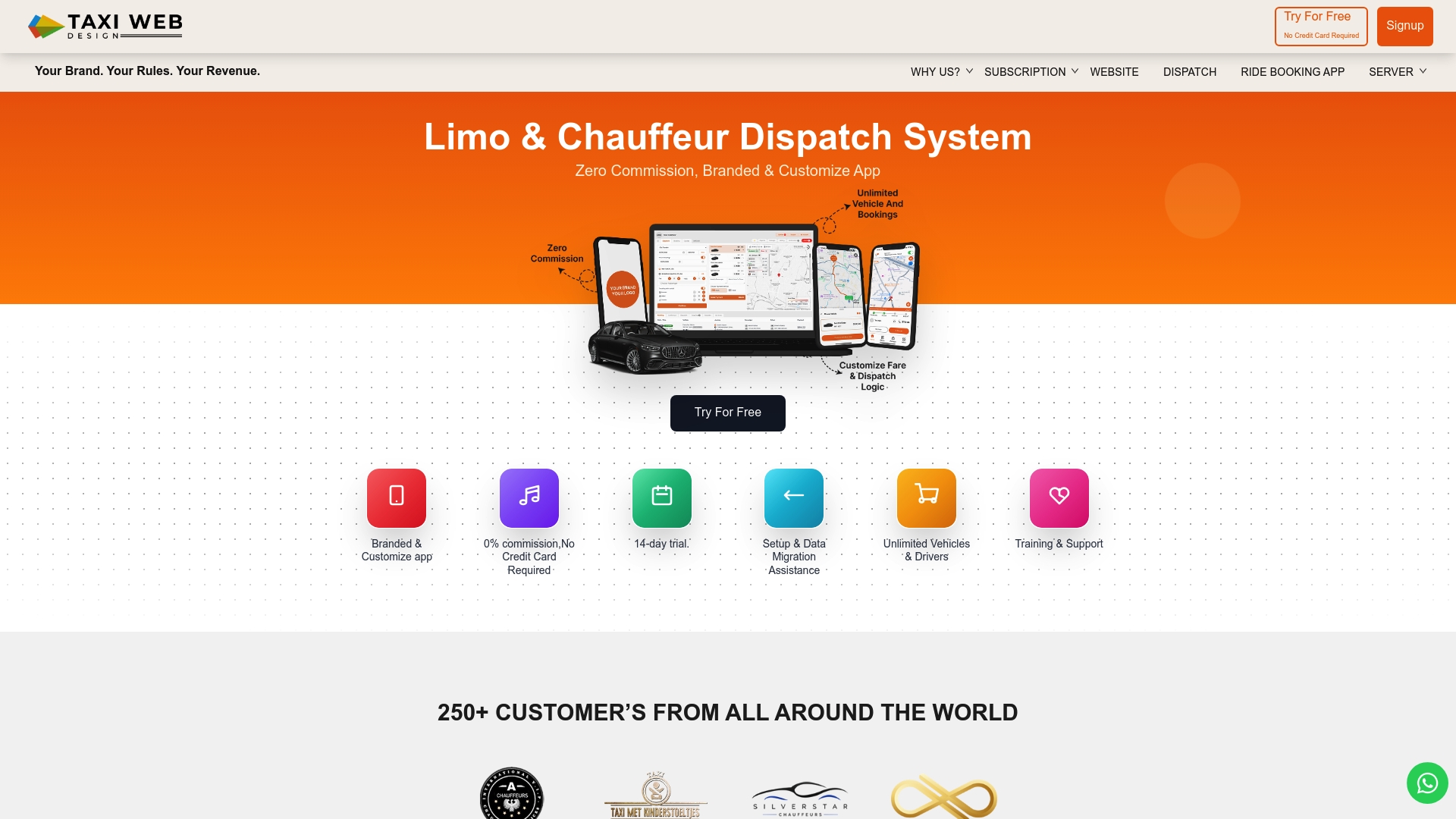
Don’t let outdated technology hold your fleet back. Upgrade to a cloud-based dispatch system that empowers you to make data-driven decisions and elevate your service quality. Visit Taxi Web Design now to start your transformation with expert guidance and scalable solutions built for your success.
Frequently Asked Questions
What are cloud-based taxi systems?
Cloud-based taxi systems are integrated software platforms that facilitate real-time coordination between drivers, passengers, and fleet management using remote data processing and storage powered by cloud computing.
How do cloud-based taxi systems improve fleet management?
These systems enhance fleet management by providing features like real-time GPS tracking, automated booking and dispatch, dynamic pricing, and comprehensive performance analytics, leading to better operational efficiency and customer satisfaction.
What are the main benefits of using a cloud-based taxi dispatch platform?
The key benefits include cost savings, reduced operational overhead, improved visibility into fleet performance, and the ability to scale and customize features according to specific business needs.
How do security and compliance work in cloud-based taxi systems?
Cloud-based taxi systems implement multi-layered security protocols, including data encryption and access control mechanisms, to protect sensitive information, ensure regulatory compliance, and maintain data integrity.