Fleet Management Software Trends for 2026 (and Beyond)
Fleet management is hitting a turning point. What worked in 2023 or 2024 will not be enough in 2026. Fleets are getting more complex, margins are tighter, and expectations from customers and regulators are higher.
Here’s the thing. Fleet software is no longer just about tracking vehicles on a map. It’s becoming the operating system of the entire fleet business.
Let’s break down what’s actually changing and why it matters.
1. From vehicle tracking to full operational intelligence
Basic GPS tracking is table stakes now. In 2026, serious fleet platforms act as a decision engine.
That means:
-
Real-time vehicle data combined with driver behavior
-
Fuel, EV charging, maintenance, and downtime in one view
-
Predictive alerts instead of reactive reports
Software will not just tell you what happened. It will tell you what’s about to break, who is likely to be late, and where costs are leaking.
2. AI-powered dispatch and routing becomes normal
Manual dispatch is quietly disappearing.
AI-based routing looks at traffic, job priority, driver availability, vehicle type, and historical performance. The result is fewer empty miles, faster job completion, and less dispatcher stress.
What this really means is scale without chaos. A fleet with 5 vehicles and a fleet with 50 should both feel manageable if the software is doing the heavy lifting.
3. EV and hybrid fleet management is no longer optional
By 2026, EVs will be part of many fleets, even conservative ones.
Modern fleet software must handle:
-
Battery range forecasting
-
Charging schedules and locations
-
Cost comparison between fuel and electric vehicles
-
EV-specific maintenance tracking
Tools that treat EVs as an afterthought will fall behind quickly.
4. Compliance moves from paperwork to automation
Regulations are getting stricter, not simpler.
Fleet software is shifting toward:
-
Automated compliance logs
-
Digital vehicle inspections
-
Driver working-hour monitoring
-
Instant reporting for audits
The trend is clear. If compliance still depends on spreadsheets or manual uploads, it’s already outdated.
5. Driver experience becomes a competitive advantage
Driver shortages are real, and software plays a bigger role than most fleets admit.
In 2026, strong platforms focus on:
-
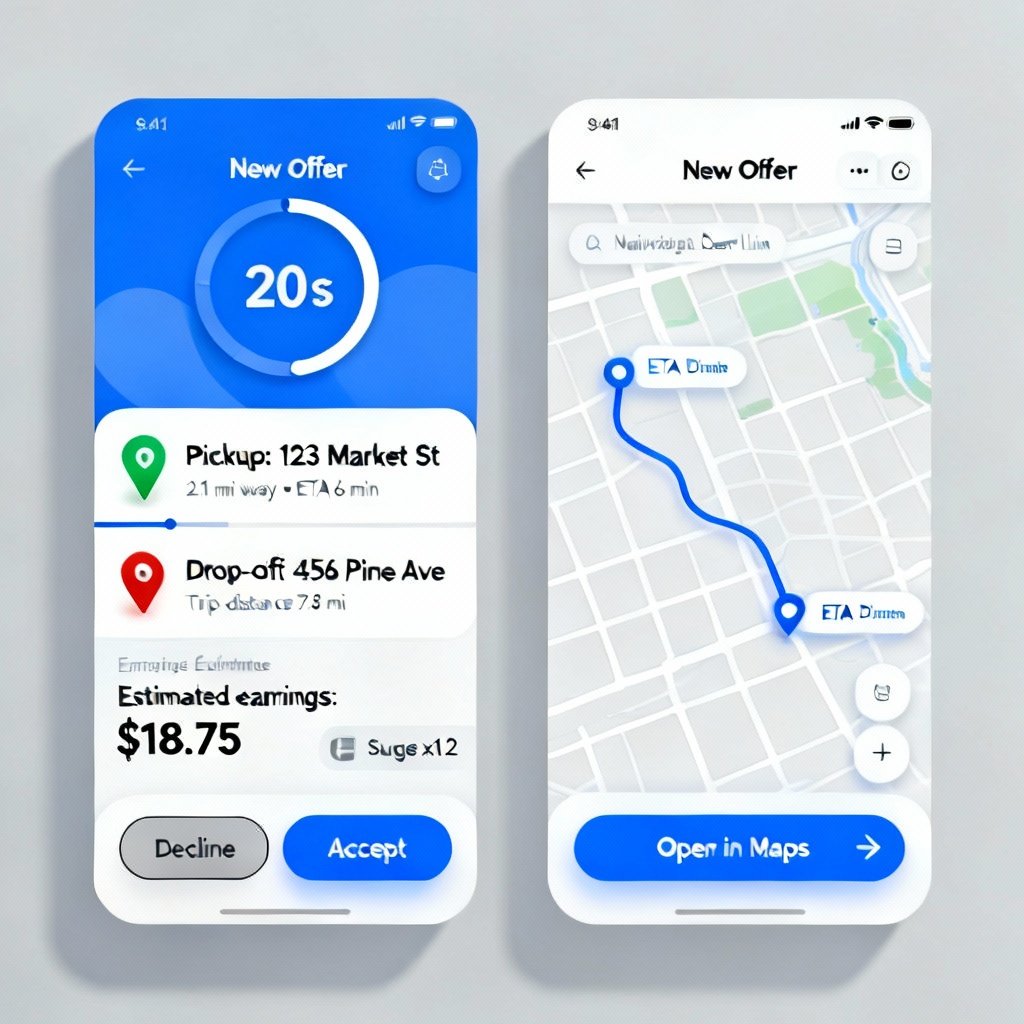
Clean, simple driver apps
-
Clear job details and navigation
-
Transparent earnings and performance data
-
Fewer calls from dispatch
Happy drivers stay longer. Software that respects their time wins.
2026 Roadmap for Fleet Management Software Success
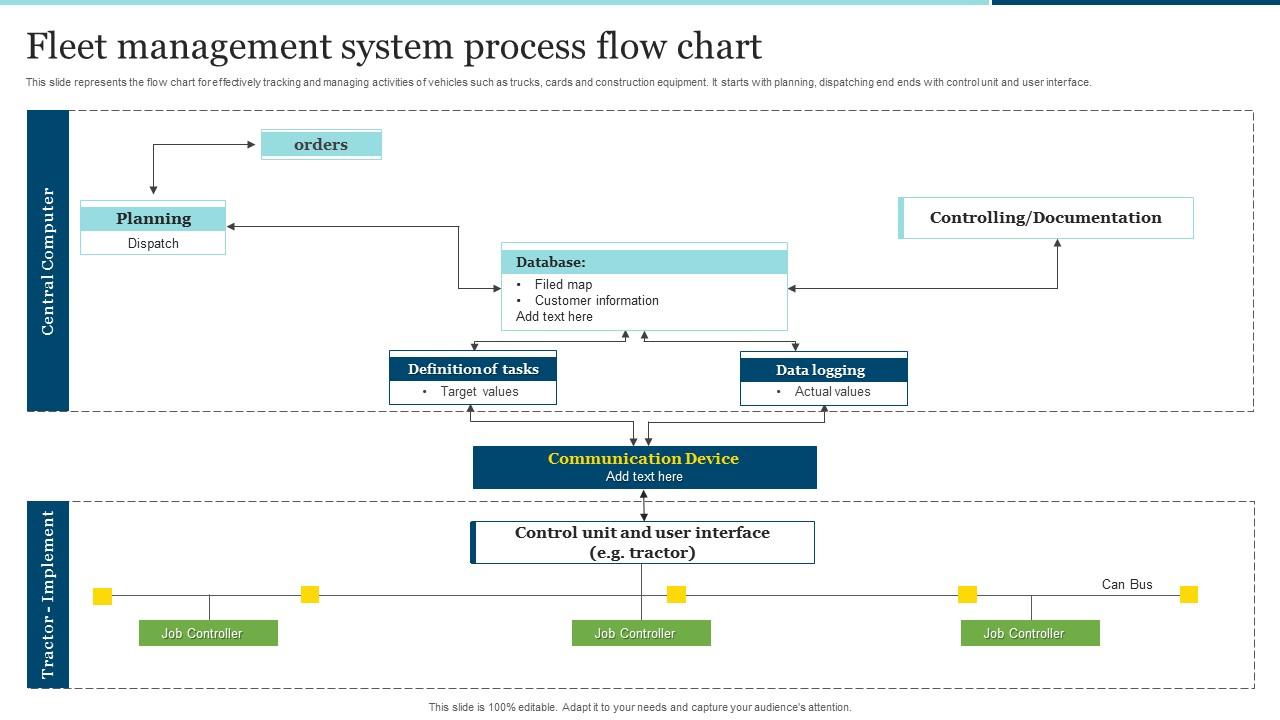
Trends are useful, but execution is what separates strong fleets from struggling ones. Here’s a practical roadmap for building or choosing fleet management software that will still make sense in 2026 and beyond.
Step 1: Build around workflows, not features
A long feature list means nothing if daily operations are clunky.
Start with core workflows:
-
Booking or job creation
-
Dispatch and assignment
-
Driver execution
-
Billing and reporting
If these flows are smooth, everything else becomes easier.
Step 2: Go cloud-first, API-ready
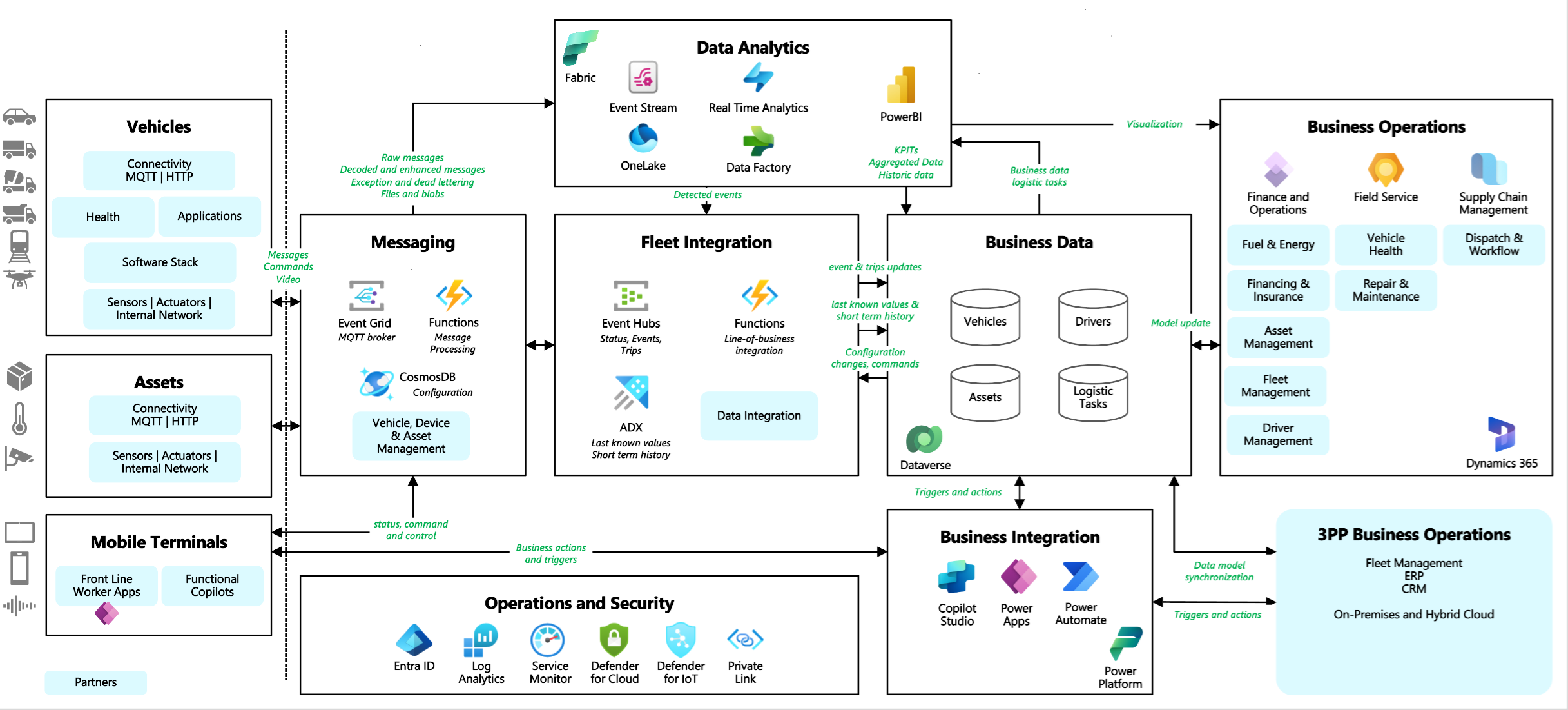
Fleet software in 2026 must connect with everything.
That includes:
-
Accounting systems
-
Payment gateways
-
Vehicle hardware and telematics
-
Customer booking platforms
Cloud-based systems with strong APIs give fleets flexibility instead of lock-in.
Step 3: Make data usable, not overwhelming
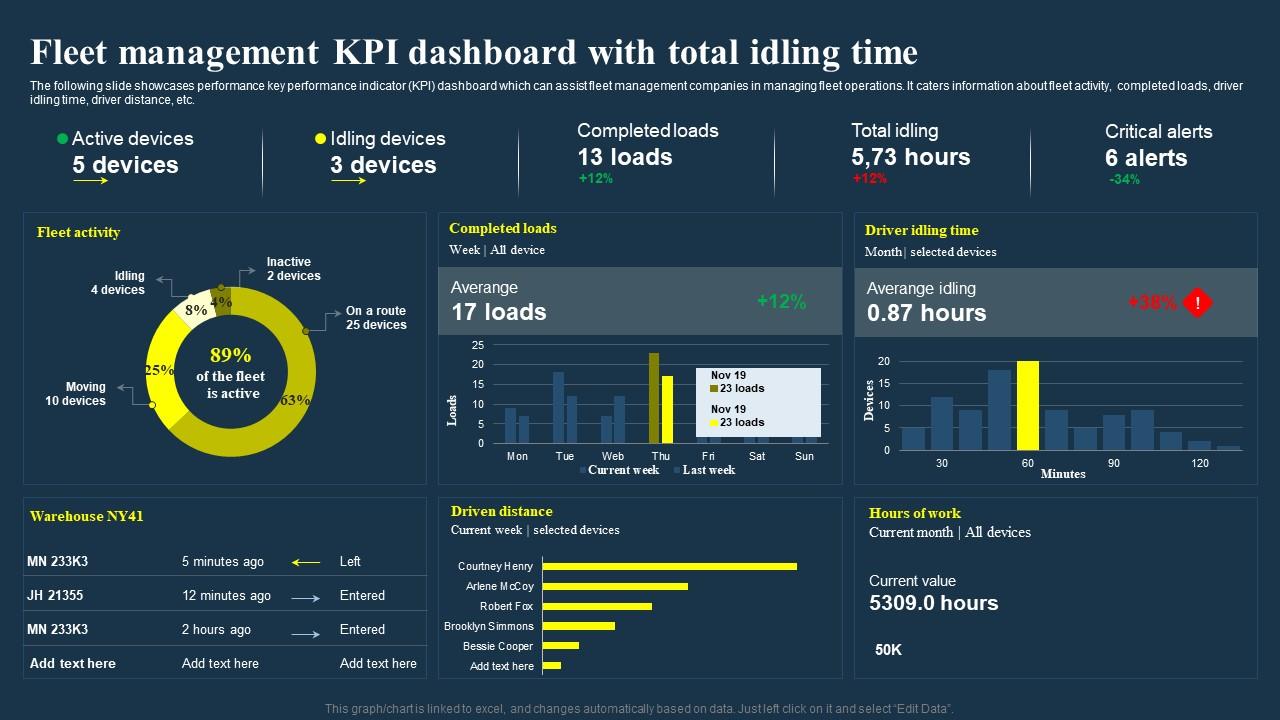
Dashboards fail when they try to show everything.
The winning approach:
-
Clear KPIs for owners
-
Operational views for dispatchers
-
Simple task-focused screens for drivers
Good software tells each role exactly what they need to see. Nothing more.
Step 4: Design for scale from day one
Even small fleets should think ahead.
That means:
-
Easy driver and vehicle onboarding
-
Role-based access
-
Performance that doesn’t slow down as data grows
-
Pricing that scales predictably
If growth feels painful, the software is part of the problem.
Step 5: Prioritize security and trust
Fleet systems hold sensitive data. Locations, payments, driver details, customer records.
By 2026, strong platforms will treat security as a core feature, not an add-on:
-
Encrypted data
-
Secure access controls
-
Regular system updates
-
Clear data ownership policies
Trust is becoming a buying factor, not just a technical concern.
What This Means Going Forward
Fleet management software is moving from a support tool to a strategic asset.
In 2026 and beyond, the best platforms will:
-
Reduce costs without adding complexity
-
Help fleets adapt to EVs and new regulations
-
Improve driver retention
-
Turn data into daily decisions
If your fleet software can do that, you’re not just keeping up. You’re building an operation that’s ready for whatever comes next.