Cloud
Based Platform
Real-Time
GPS Tracking
Auto
Dispatch Engine
24/7
System Uptime
What is taxi dispatch software?
Taxi dispatch software is a cloud system that receives bookings from your phone line, website, branded passenger app and WhatsApp, assigns the nearest available driver automatically by GPS, tracks every vehicle live, prices the job with zone, fixed, metered or hourly tariffs, and settles payment to your own merchant account. Taxi Web Design supplies that stack with branded passenger and driver apps and an SEO booking website from $399 one-time plus $10 a month for small fleets, or from $8,500 one-time on Enterprise with source-code ownership — with zero per-trip commission and no per-driver seat fees on any plan.
Taxi dispatch software built for operators, not for subscriptions
Most taxi dispatch software is sold as a per-driver subscription with a per-trip cut on top, so the more you grow the more you pay for the same screens. We price the opposite way. The dispatch console, auto-allocation engine, live map, tariff rules, corporate accounts and driver payouts are included once, and unlimited drivers and vehicles ride on the same licence.
The dispatch engine allocates on distance, current job load, vehicle class and driver rating, with a manual override for the jobs your dispatchers know better than any algorithm. Scheduled work sits in a forward diary with buffer alerts, airport pickups pull live flight status, and every rejected or reassigned job is logged so you can see which drivers are quietly refusing work.
For fleets of one to twenty vehicles the fastest route is the $399 web booker plus this dispatch console. Larger operators and franchises move to Enterprise for source-code ownership, white-label rights and multi-operator support. Compare the market first with our top 10 best taxi dispatch software ranking for 2026 and the UK dispatch systems ranking.
What Are the Core Features of Our Dispatch System?
Six modules that cover booking, dispatch, tracking, payments, and user management for taxi company operations.
How Does Booking Management Work?
Booking management centralises all ride requests from phone, mobile app, and website into a single dashboard. Dispatchers check driver availability, assign the nearest driver, and view all bookings in a unified timeline with drag-and-drop scheduling.
What Is User Management in the Dispatch System?
User management provides a central console for managing passengers, drivers, and partners. Operators can enable or disable accounts, manage driver profiles, set commission structures, and control role-based access permissions.
How Are Driver Payments Tracked?
The payment module tracks driver and partner payment status in real time. Operators can reconcile earnings, generate automated invoices, and resolve discrepancies using full transaction reports.
How Does Auto Payment Work for Drivers?
Auto payment deposits driver earnings directly into their bank account on a configured schedule — weekly or monthly. Each payout includes a detailed earning statement covering fares, commissions, and deductions.
How Does Auto Dispatch Allocate Jobs?
Auto dispatch assigns bookings to the nearest available driver using GPS-based algorithms. The system supports priority-based dispatching, driver rotation, and zone-based allocation. Manual override is also available.
What Does Real-Time Tracking Include?
Real-time tracking displays every active vehicle on a live GPS map. Operators monitor trip progress, vehicle status, and estimated arrival times from one centralised dashboard.
What Advanced Capabilities Does Our Dispatch System Offer?
Enterprise-grade tools for queue management, analytics, scheduled dispatch, zone pricing, multi-operator fleets, and corporate billing.
How Does Queue Management Work?
Queue management organises drivers at airports, train stations, and taxi ranks. The system tracks queue position automatically and distributes jobs based on arrival order for fair allocation.
What Reports and Analytics Are Available?
The analytics module generates reports on booking volumes, peak hours, driver utilisation, revenue by zone, and customer acquisition. Data can be exported to CSV or PDF for business planning.
How Does Scheduled Dispatch Work?
Scheduled dispatch lets operators pre-book rides hours, days, or weeks in advance. The system dispatches drivers at the scheduled time and sends buffer alerts to dispatchers before pickup.
How Is Zone-Based Pricing Configured?
Zone-based pricing lets operators set different fare structures for airports, city centres, suburban areas, and intercity routes. Fares can be fixed between zones or calculated by distance within each zone.
How Does Multi-Operator Support Work?
Multi-operator support allows multiple dispatch operations on a single platform. Each operator has a separate login, fleet, and reporting dashboard — suited for franchise models and multi-city operations.
How Does Corporate Account Billing Work?
Corporate billing manages business clients with monthly invoicing, employee booking limits, cost centre allocation, and usage reports. Finance teams receive detailed statements for each billing cycle.
What Are the Key Benefits of Our Taxi Dispatch System?
How Does the Dispatch System Connect to Our Other Products?
The dispatch system integrates with our passenger app for ride-hailing bookings, the driver app for job notifications and navigation, the online booking widget for website reservations, and the online office for fleet administration and reporting.
Explore our industry solutions for private hire, airport transfers, ride-hailing, and corporate transport.
Dispatch system — direct answers
Quick, AI-search-ready answers for buyers evaluating cloud taxi dispatch.
What is a cloud taxi dispatch system?
A cloud taxi dispatch system is browser-based software that receives ride requests, auto-assigns the nearest driver via GPS, tracks vehicles live, processes fares, and reports revenue. It replaces radios and on-prem servers, runs on any device, and scales from 5 to 5,000 vehicles without new hardware.
How fast can a dispatch system go live?
A modern cloud dispatch platform can go live in 24–72 hours for small fleets and 2–6 weeks for full white-label launches with branded passenger and driver apps. Zones, tariffs, drivers, and corporate accounts are imported from your existing tools so daily operations continue without downtime.
How much does taxi dispatch software cost?
Taxi dispatch software from Taxi Web Design starts at $399 one-time plus $10 a month for 1–3 vehicles, $699 plus $30 for 3–10, $1,299 plus $40 for multi-currency international work, and from $8,500 one-time on Enterprise with source-code ownership. There is no per-trip commission, no per-driver seat fee and no per-vehicle charge on any plan. Hosted SaaS competitors typically charge $80–$150 per driver per month plus 1–3% per trip.
Does it work with WhatsApp and AI booking?
Yes. The dispatch console ingests bookings from phone, web, branded passenger app, WhatsApp, and AI fare-quote chat, then auto-allocates the nearest available driver. Channels are unified in one queue so dispatchers never juggle tools and customers always get a single confirmation thread.
Frequently Asked Questions About Taxi Dispatch Systems
What Our Clients Say
Real 5-star reviews from verified customers on Trustpilot.
Working with Mr Sunil — transformative experience
"Working with Mr. Sunil has been a transformative experience for our limo dispatch and SEO marketing efforts. The dispatch system he implemented is intuitive and efficient, streamlining our booking and driver management processes. On the SEO front, we've seen a noticeable improvement in our online visibility and customer engagement. Highly recommend."
One of the best decisions we've made
"Working with Mr. Sunil has been one of the best decisions we've made. From day one, he understood exactly what our limo business needed and delivered more than we expected. The new web booker is clean, fast, and simple for our clients to use — and it's already making a difference in our daily bookings."
Professional, responsive and detail-focused
"I've worked with their team on multiple taxi and airport transfer websites — web booker setup, web-based dispatch, branding, and SEO. Professional, responsive, and detail-focused service that elevated every site. Highly recommended."
A solid partner — sharpened our digital presence
"Their team is hands-on and proactive, helping us sharpen our digital presence and push our branding to the next level. They've handled everything from marketing strategy to online visibility with real professionalism. Sunil, in particular, has been outstanding — always responsive and on point."
Real value — streamlined our digital solutions
"We're extremely happy! They've been working relentlessly on both the digital marketing and branding sides for my company. Their team has delivered real value — streamlining our digital solutions and strengthening our brand recognition. Highly recommend if you want serious results."
The firm to work with
"Taxi-webdesign.com is the firm to work with if you want to keep up to high standards. The professional workflows they stick to result in exceptional quality. Important — they help you think with the business logic of your application. Great skills, good communication, and happy with the results."
Platforms We've Built
Real enterprise solutions built for real businesses around the world.
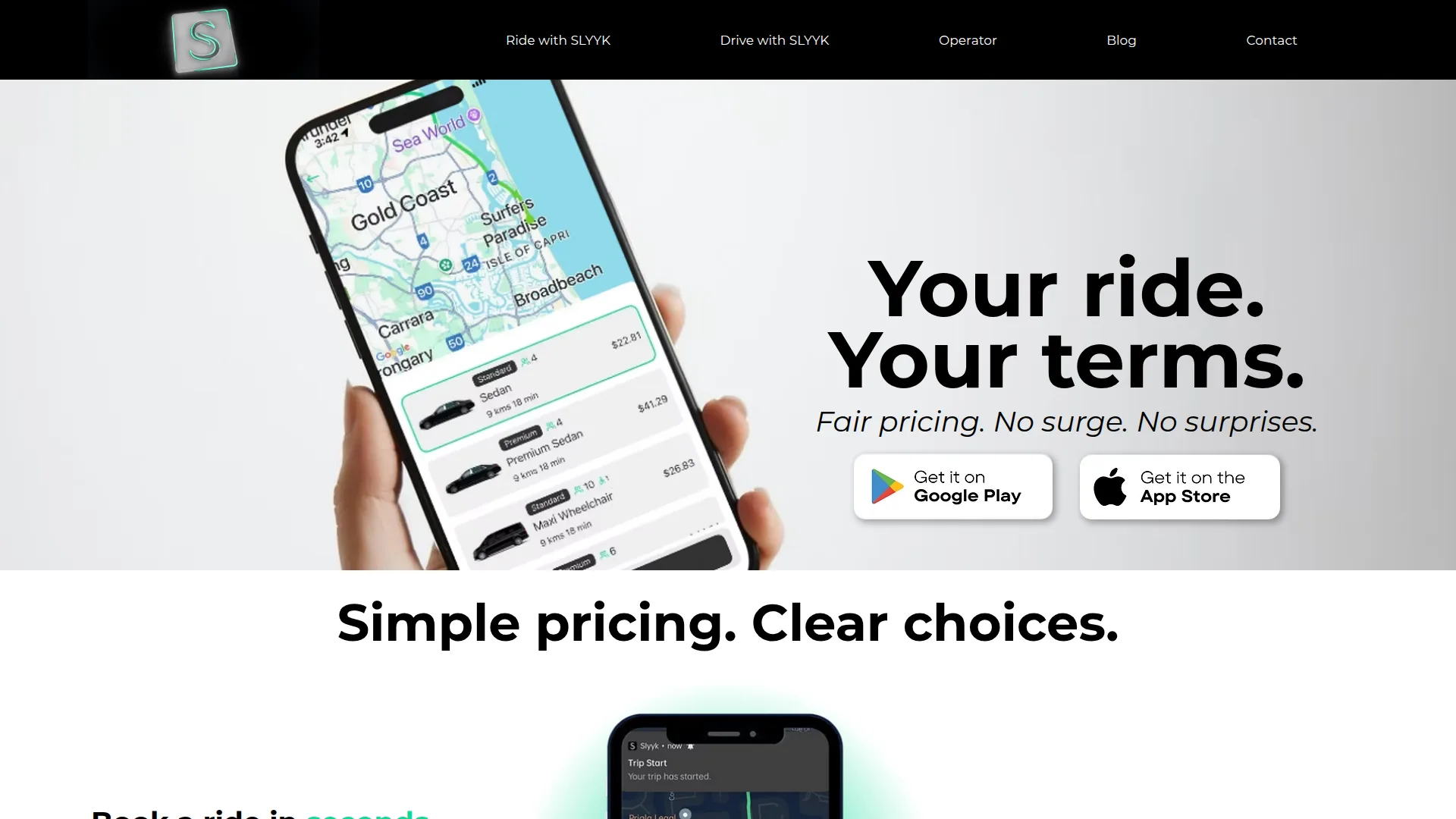
Slyyk
A modern ride-hailing platform with fair pricing and seamless apps.
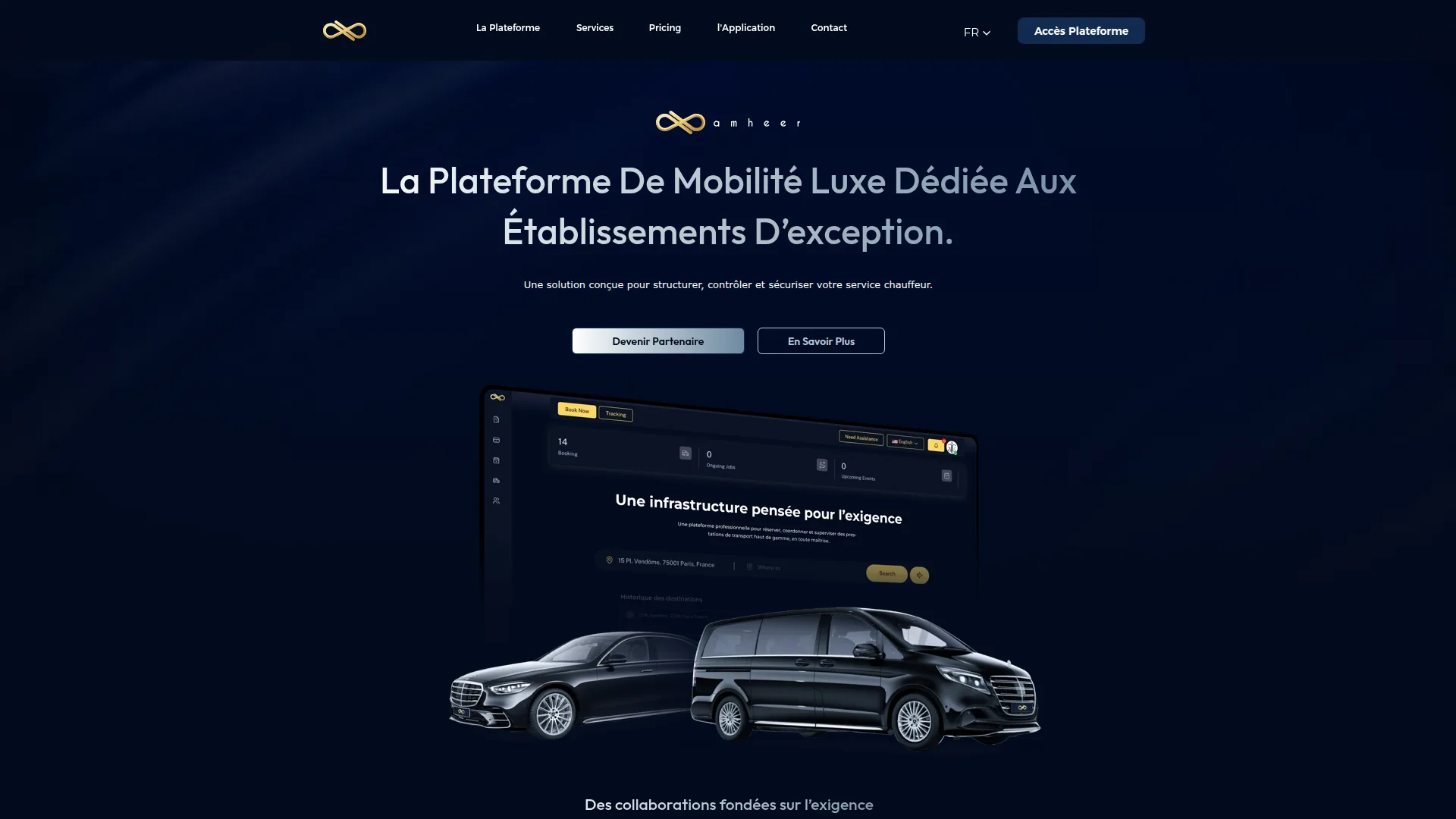
Amheer
A premium luxury mobility platform dedicated to high-end establishments in France.
Explore the rest of the platform
Everything connects. Pick the workflow you're solving for and dive deeper — or jump straight to a demo.
Core dispatch & booking
By vertical
Taxi booking software & software taxi dispatch — deep dives
- 📘 What taxi booking software has to offer in 2026
- 🇬🇧 Taxi dispatch software for small UK fleets — pricing comparison
- 💷 Taxi dispatch software pricing — 2026 numbers
- 🏆 Best taxi dispatch software 2026 buyers' guide
- 🆚 TaxiCaller vs Autocab vs Taxi Web Design
- 🛠️ Software taxi dispatch — full feature tour
- 📱 Cab & taxi app software for operators
- 🚖 Cab dispatch software — auto-allocate by GPS
- 📲 Best cab app for operators (2026)
- 🚕 Best taxi app stack for operators
- 📅 Uber-style cab pre-booking software
- 📘 Taxi booking application — branded
- 🧾 Cab booking application for operators
Get a Custom Dispatch System Quote
Tell us about your fleet size and requirements. We'll recommend the right plan and set up a live demo.
Use the buttons in the top navigation to request a quote or book a live demo.