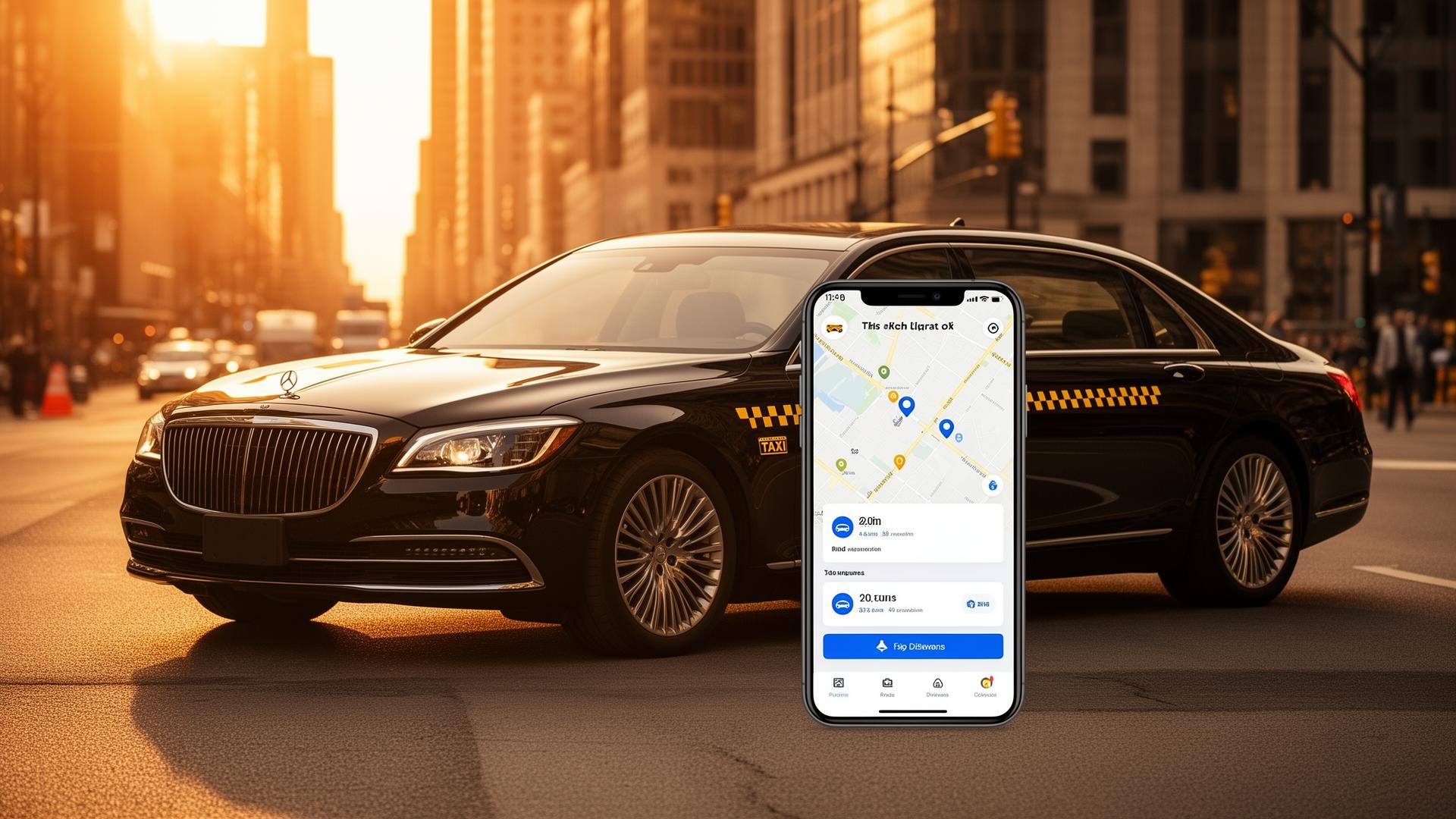
Modern taxi cab dispatch software is the single largest productivity lever available to a fleet owner in 2026. It replaces phone lists, paper sheets and shouted radio allocations with an intelligent engine that matches the right driver to the right job in seconds — and produces a complete audit trail while doing it. Below is a plain-English tour of the benefits that actually move the P&L.
1. Faster, Smarter Job Allocation
Automatic allocation assigns bookings to the closest available driver using live GPS, vehicle class, driver rating and estimated arrival time. Manual dispatchers still play a role for VIP and airport work, but the routine 70% of jobs flow through the algorithm — cutting average allocation time from 90 seconds to under 8 and preventing the "who picks it up" scramble entirely.
2. Real-Time Fleet Visibility
Every vehicle appears on a live map with status colour-coding (available, en route, on-hire, break). Dispatchers instantly see coverage gaps, drivers off-shift and hot zones with unmet demand. In practical terms this means an owner can walk into the office at 8am and know within 30 seconds whether the fleet is understaffed for the school run.
3. Direct Customer Booking Channels
A branded passenger app, web booking form and WhatsApp channel push 40–60% of bookings out of the call centre. Call-handling costs drop, human error drops with them, and the customer gets an instant fare quote and driver photo before the vehicle arrives.
4. Payment & Cash-Flow Automation
Integrated Stripe/Worldpay/PayPal means passengers pre-authorise the fare at booking, drivers are paid weekly with an itemised report, and cash reconciliation shrinks from a Friday-afternoon spreadsheet to a two-click export. VAT invoices generate automatically for corporate accounts.
5. Driver Retention & Earnings Transparency
Drivers see their day's earnings, upcoming jobs and heat-map hotspots on their own phone. Payout consistency and clear earnings drive retention up 20–35% versus radio-only fleets — a huge saving when replacing a licensed PHV driver costs £900–£1,500.
6. Compliance and Reporting on Demand
Every booking is logged with pickup/drop timestamps, driver ID, vehicle plate, fare, distance and route. That single dataset satisfies TfL, DVSA and local licensing audits without a single archive dive, and the same data powers weekly performance dashboards for the owner.
7. Corporate & Account Work Made Simple
Cost centres, approver workflows, monthly invoicing and CSV-ready expense reports open the door to hotel, medical and corporate contracts that phone-based operators can't win. A single corporate account can be worth more than 30 street-hail passengers per week.
8. Lower Total Operating Cost
Dispatch software typically costs £99–£299/month for a small fleet or a one-time platform fee for an owned deployment. Against the labour cost of one full-time night dispatcher (~£28,000/year), the ROI arithmetic is easy.
How to Choose the Right Platform
Prioritise (in this order): (1) reliability of automatic allocation, (2) native driver-app quality, (3) payment integrations that match your country, (4) commission model — flat monthly fees beat per-trip commissions for any fleet doing more than 300 jobs/week, (5) UK PHV compliance features if you're licensed in the UK.
Related reading: Full feature list of Taxi Web Design's dispatch platform · See pricing · Best dispatch software 2026 buyer's guide.