Wedding work is the highest-margin, lowest-volume segment a chauffeur or limousine operator can run. A single Saturday in June can generate more revenue than an entire midweek of airport transfers — but it also has the lowest tolerance for failure of any vertical in private hire. The bride remembers everything. The bride's mother remembers more.
This 2026 buyer's guide walks through what wedding limo booking software actually needs to do, the features that genuinely move the needle on bookings and margin, the integrations that matter, and the questions to put to any vendor before you sign. It assumes you are a chauffeur or limo operator, or you are about to specialise into weddings as a vertical alongside your wider chauffeur software setup.
Why Weddings Need Their Own Software Category
A generic taxi or PHV dispatch platform was designed for trips that get booked the same day, paid in full at the end and forgotten. Weddings are the opposite shape:
- Lead time of 3 to 12 months between enquiry and the wedding date.
- Heavy seasonal demand curve, with 60–70% of bookings concentrated between May and September in the northern hemisphere.
- Pricing by package or by hour with a minimum booking, not by distance.
- Milestone payments — non-refundable deposit at booking, balance two to four weeks before the date.
- Often multiple legs in one booking — bride from home to ceremony, bridal party from ceremony to photo location, evening transfer to a hotel.
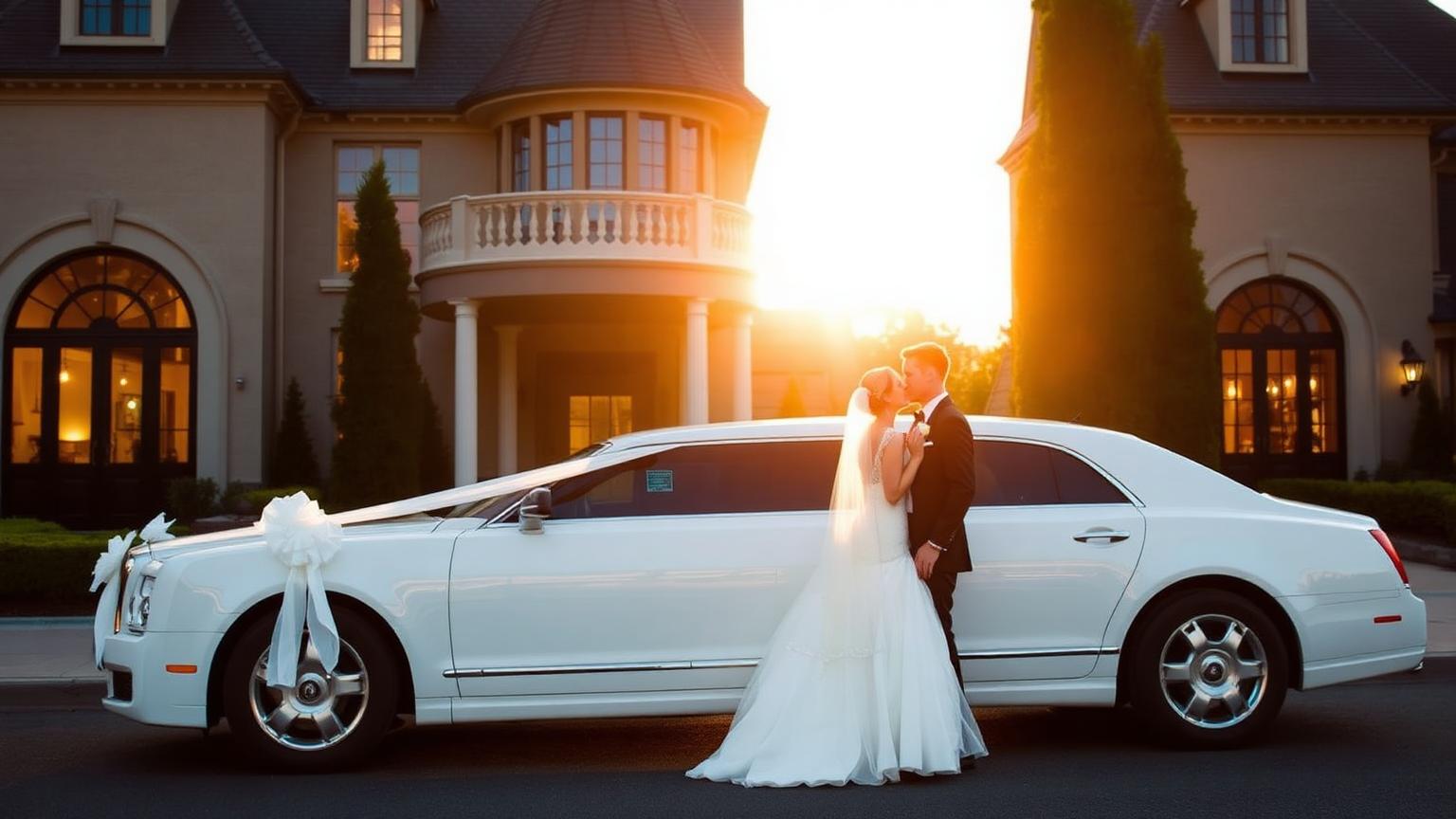
- Specific vehicles requested by colour, model and decoration (white Rolls-Royce, vintage Bentley, stretched Hummer).
- A zero-failure tolerance on the day — a late arrival is not a refund situation, it is a Google one-star.
Trying to force this into a normal taxi platform produces double bookings, lost deposits, wrong vehicles assigned and a constant background tax on the operations team. Dedicated wedding software solves the long-lead, package-priced, milestone-paid, photogenic-vehicle workflow as a first-class citizen.
The Wedding Booking Funnel — and What Software Has to Do at Each Stage
1. Discovery
The bride or wedding planner finds you through Google, Instagram, a wedding marketplace (Hitched, The Knot, WeddingWire) or a referral from the venue. Your website needs an Instagram-quality vehicle gallery, real wedding photography (not stock), a review feed, and a wedding-specific landing page — not a generic chauffeur page.
2. Enquiry and Quote
This is where most operators leak revenue. The bride fills in an enquiry form, then waits 24 hours for a quote. By the time you reply, she has already received two quotes from competitors with auto-quoting widgets. The software fix is a wedding-specific booking widget that takes wedding date, ceremony venue, reception venue, cars required and hours, and returns an instant quote with three named packages — typically Bridal Car, Bridal + Bridesmaids and Full Day.
3. Deposit and Hold
The bride picks a package and is taken straight into a Stripe-hosted checkout for a 25–50% non-refundable deposit. The vehicle and date are locked on payment. No human in the loop. This single step — checkout on the same page as the quote — typically lifts enquiry-to-booking conversion from around 15% to 35–40%.
4. Pre-Wedding Coordination
Six weeks out, the system sends an automated questionnaire: final guest count, photo locations, timing for each leg, contact for the bride and the maid of honour, any special requests (decoration, signage, bottle of champagne). The answers populate the chauffeur's run sheet automatically.
5. Balance Collection
Fourteen to thirty days before the wedding, the platform auto-emails the balance invoice and either auto-charges the card on file or sends a payment link. Reminders fire at +3 and +7 days past due. No human chases the bride.
6. The Day Itself
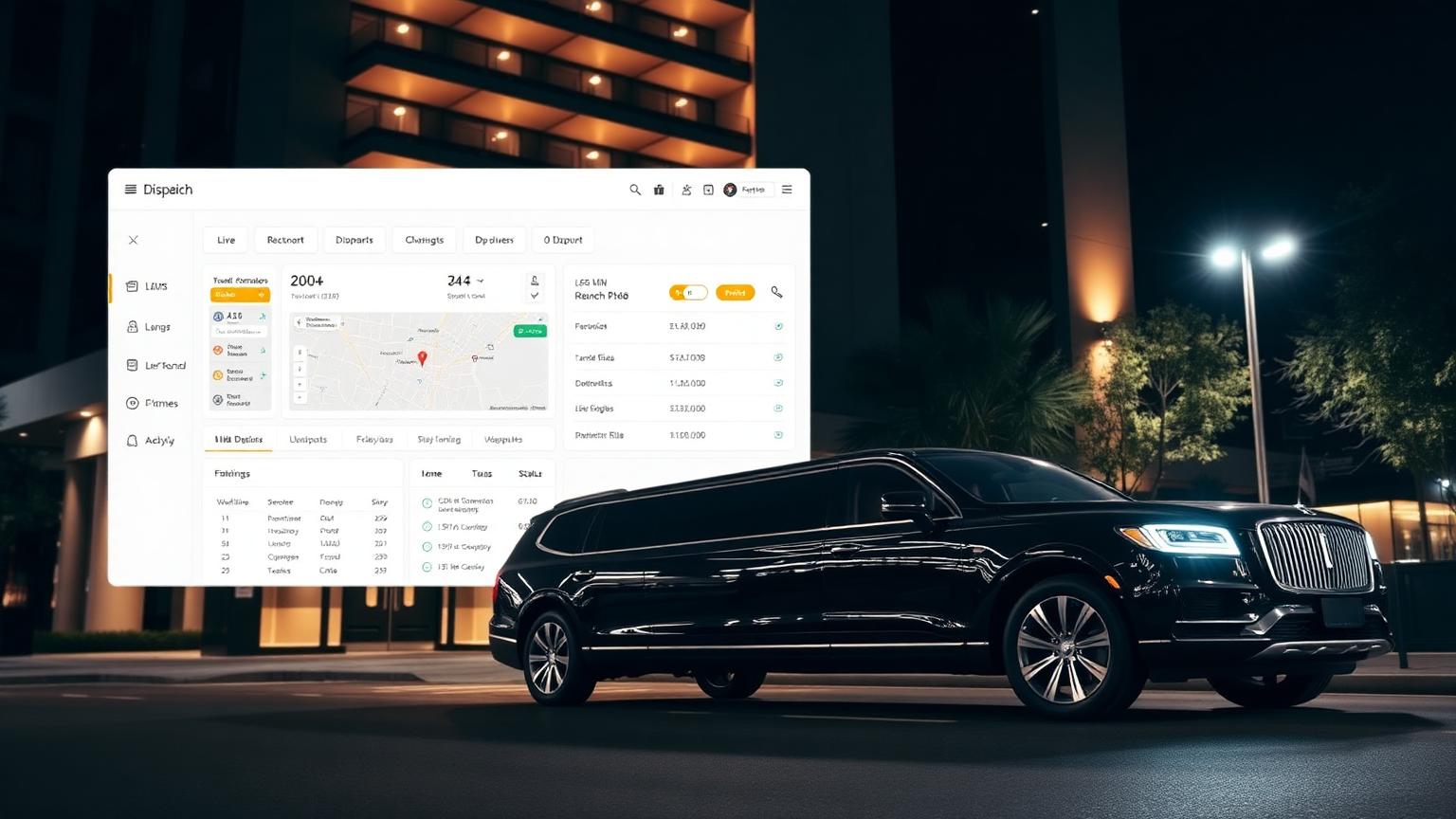
The chauffeur app shows the full run sheet — every leg, every contact number, every venue with full address, gate code and parking instructions. The dispatcher sees a live map of every wedding car on the road. The bride gets an SMS when the car is 15 minutes away.
7. Reviews and Re-Marketing
Forty-eight hours after the wedding, before the honeymoon fog sets in, the platform sends a one-tap review request to Google, Trustpilot or the wedding marketplace the bride originally booked through. Reviews are the single highest-ROI marketing asset for a wedding operator — a 4.9-star Google profile with 200+ wedding reviews is a permanent moat against competitors.
Core Features Checklist
Booking Widget
- Wedding-specific fields (date, ceremony venue, reception venue, hours, cars).
- Three named packages with photos and inclusions.
- Instant auto-quote with peak-season and holiday-weekend logic.
- Same-page deposit checkout via Stripe.
- Mobile-first design — over 70% of wedding research happens on mobile.
Fleet Planner
- Calendar view of every vehicle 12 months ahead.
- Hard locks once a deposit is paid; soft holds for active enquiries.
- Conflict detection across multi-leg bookings on the same day.
- Per-vehicle availability colour-coding for the sales team.
Package Builder
- Drag-and-drop package construction with inclusions and exclusions.
- Per-vehicle, per-package pricing tables.
- Seasonal multipliers and bank-holiday surcharges.
- Travel-time charges when ceremony and reception are far from base.
Payment and Deposit Engine
- Non-refundable deposit at booking (typically 25–50%).
- Auto-scheduled balance invoice 14–30 days before the wedding.
- Card-on-file for damage and overtime authorisations.
- Refund-policy automation tied to days-to-event.
Vendor and Venue Sync
- iCal feed for venue coordinators so they can see arrival windows.
- Two-way Google Calendar sync for the operator's sales team.
- Saved venue profiles (gate codes, parking, photographer contact).
Chauffeur App
- Full multi-leg run sheet, not a single dispatch ticket.
- Contact card for bride, maid of honour and wedding planner.
- Venue gate code and parking notes pre-loaded.
- One-tap "I have arrived" SMS to the bride.
Review Engine
- Automated review request 48 hours post-wedding.
- Routing to Google, Trustpilot or the originating marketplace.
- NPS or 5-star tag attached to the booking record.
- Embedded review widget on the booking page for social proof.
Reporting
- Booking pipeline by month, by venue, by package, by lead source.
- Deposit and balance reconciliation against the accounting ledger.
- Average wedding revenue and gross margin per vehicle.
- Lead-source ROI: marketplace fees vs. direct organic bookings.
Pricing Models That Actually Work in 2026
Three pricing models dominate the wedding chauffeur market:
- Hourly with minimum. Three- or four-hour minimum at £85–£150/hour depending on vehicle class. Best for clarity; weakest at protecting margin on multi-leg days where the operator under-quotes hours.
- Named packages. Bridal Car £450, Bridal + Bridesmaids £750, Full Day £1,200. Best for conversion because the bride sees one clear price; weakest when the timeline overruns and the chauffeur is held an extra hour at the reception.
- Hybrid (recommended). A package covers a defined inclusion list (e.g. 4 hours, up to 25 miles); anything beyond bills hourly. Best of both worlds — clear anchor price, protected margin on overruns.
Whatever model you choose, the platform has to apply peak-season multipliers automatically. A Saturday in June commands a 20–35% premium over a Tuesday in February in every mature wedding market.
Marketplace Integrations and Where the Leads Come From
Across the UK, US, Canada and Australia, mature wedding chauffeur operators typically see a lead-source split of roughly: 40% organic Google (local SEO + GMB reviews), 25% wedding marketplaces (Hitched, The Knot, WeddingWire), 15% Instagram and Pinterest, 10% venue referrals, 10% past-customer word of mouth. The platform should ingest leads from each channel into a single inbox with the source tagged so you can calculate true cost per acquisition and walk away from channels that don't pay.
Wedding-Specific Operational Risks the Software Must Mitigate
- Double-booking a decorated vehicle across two weddings in one day.
- Chauffeur no-show — needs an on-call backup chauffeur protocol baked into the dispatch rules.
- Decoration error — the wrong ribbon colour on the wrong car; needs a per-booking decoration checklist.
- Late arrival — needs a hard 60-minute pre-arrival buffer enforced by the platform.
- Timeline overrun — needs automated overtime billing rules so the chauffeur isn't negotiating with a stressed bride's father at midnight.
- Damage or cleaning — needs a documented pre- and post-wedding inspection workflow tied to the card-on-file authorisation.
How to Evaluate Vendors
When you sit down with a prospective wedding limo software vendor, push them on:
- Show me a live wedding booking end-to-end — enquiry, quote, deposit, balance, run sheet, review request.
- How does your platform handle multi-leg wedding days with different vehicles at different times?
- What happens to a held vehicle if the deposit isn't paid within 48 hours?
- How are seasonal and weekend multipliers applied?
- Can the bride pay the balance on her phone in under 30 seconds?
- What's the chauffeur app workflow for a five-leg wedding day?
- Which review platforms does the automated request engine support?
- What's the integration story with Stripe, GoCardless and Xero?
- How are wedding marketplaces (Hitched, The Knot, WeddingWire) integrated?
- What's your average time-to-first-booking for a new wedding operator?
If the vendor demonstrates each point on a live system rather than a slide deck, you have a credible candidate.
Build, Buy or Bolt-on?
Three options usually surface in operator conversations:
- Build a custom platform. £50,000–£200,000 and 9–18 months. Almost never justifiable below 1,000 weddings/year.
- Bolt wedding workflows on top of a generic chauffeur platform. Cheap but you inherit the wrong mental model and constant friction.
- Buy a dedicated wedding-aware platform. Fastest path to revenue; lowest operational risk on the day; predictable per-seat or per-vehicle pricing.
The Taxi Web Design wedding limo software module ships the wedding-specific widget, fleet planner, package builder, deposit engine, vendor sync, chauffeur app and review engine described above — built on top of the same core dispatch platform powering our wider chauffeur software deployments worldwide.
Next Step
If you are scoping a wedding-specific upgrade and would like to see the booking widget, deposit flow, multi-leg run sheet and review engine end-to-end on a live dispatch console, book a 30-minute demo with our team and we'll walk through a real wedding day on the platform.