Last updated: July 2026
NEMT dispatch software is a cloud platform that schedules, routes, tracks and bills non-emergency medical transport trips for operators moving patients to dialysis, therapy, specialist and hospital-discharge appointments. Beyond ordinary dispatch, it adds standing orders for recurring trips, will-call returns, wheelchair and stretcher vehicle matching, Medicaid broker trip feeds, signature and mileage capture, and HIPAA-grade data handling so completed rides convert cleanly into reimbursable claims.
What NEMT operators are actually solving for
Most ground-transport software is built around the on-demand ride: someone opens an app, a nearby driver accepts, the fare is charged at drop-off. Non-emergency medical transport inverts almost every assumption in that sentence. Trips are booked days or weeks ahead, tied to a specific appointment time, authorised by a payer or broker, and reimbursed later through a claim rather than a card swipe. The passenger's mobility level dictates which vehicle can even take the job.
That mismatch is where operators lose money. Run NEMT on a taxi meter platform and you'll be re-keying broker trips by hand, chasing missing signatures, guessing at mileage, and reconciling claims in spreadsheets. Purpose-built dispatch software closes those gaps by treating the appointment — not the ride-hail — as the unit of work.
The eight capabilities that separate NEMT software from taxi dispatch
If you're evaluating platforms, these are the workflows to test on day one. Everything below the fold in a demo is negotiable; these are not.
1. Standing orders and recurring trips
A dialysis patient may ride three times a week for months. NEMT software lets you set a recurring template once — pickup, appointment window, vehicle type, return handling — and it generates every future trip automatically, with exception handling for holidays and cancellations.
2. Will-call and return-trip management
Medical appointments rarely end on schedule. Will-call return handling lets a facility or the passenger trigger the pickup when they're actually ready, and routes it to the nearest suitable vehicle rather than leaving a driver idling for an hour.
3. Mobility-based vehicle matching
Ambulatory, wheelchair, bariatric and stretcher passengers each need the right vehicle and, sometimes, a certified attendant. The dispatch engine has to enforce that match automatically so a wheelchair trip never lands on a sedan.
4. Medicaid broker integration
A large share of NEMT volume flows through brokers who assign trips, set the authorised mileage and hold the funding. Software that ingests those trip feeds — and returns status updates and completion data — eliminates the single biggest source of manual error in the business.
5. Signature, attestation and proof-of-service capture
Claims get denied without documentation. A driver app that captures passenger or facility signatures, timestamps, odometer readings and photos at pickup and drop-off turns every completed ride into audit-ready evidence.
6. Claim-ready billing exports
The payoff of clean data is faster reimbursement. Good NEMT platforms produce billing exports mapped to the fields payers expect, so the gap between "ride completed" and "claim submitted" shrinks from days to minutes.
7. HIPAA-grade data handling
NEMT trips carry protected health information — facility names, appointment types, member IDs. The platform and its hosting must support encryption, access controls, audit logging and a signed Business Associate Agreement. This is a compliance requirement, not a feature preference.
8. Branded passenger and driver apps
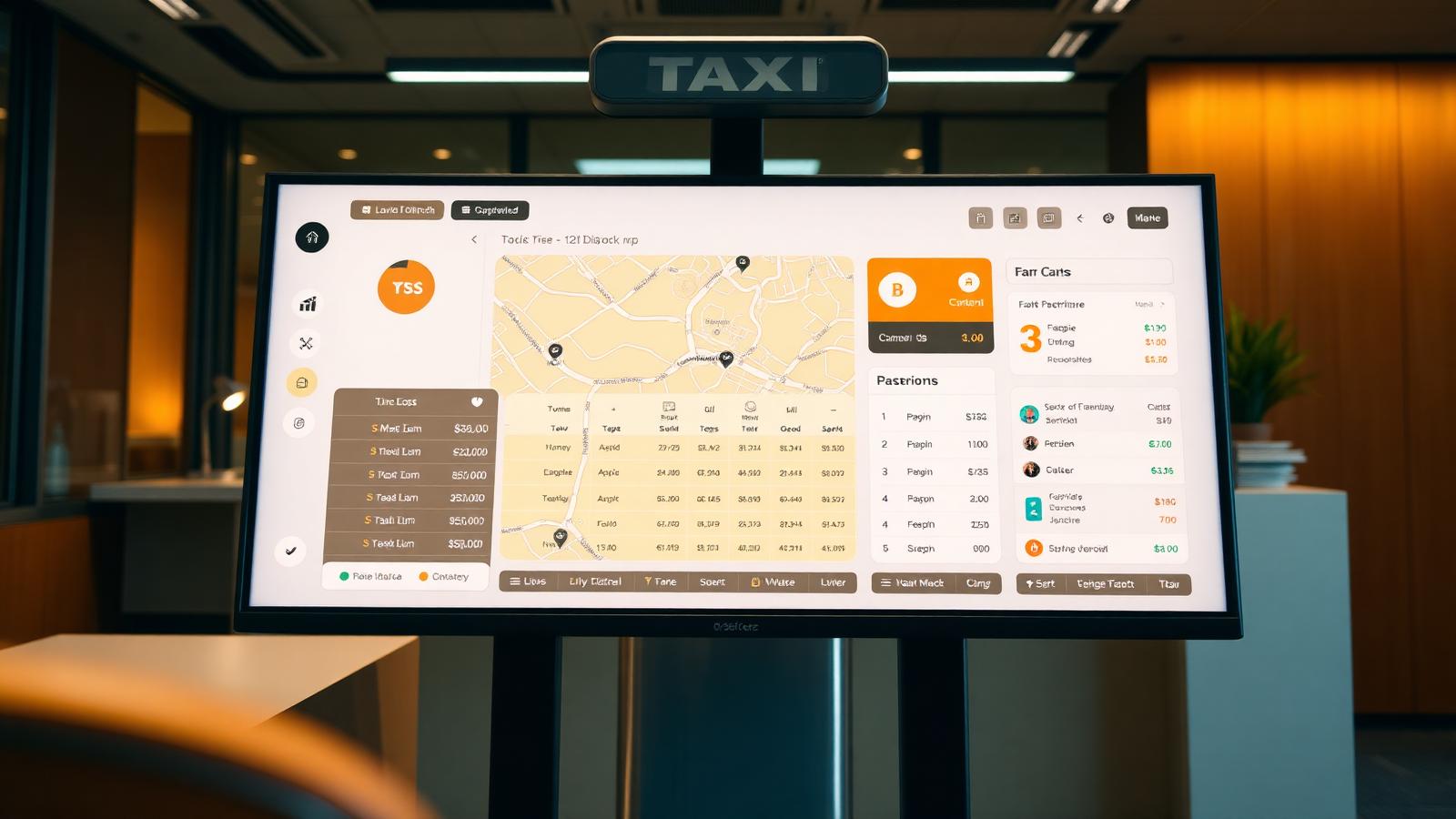
Facilities and members increasingly expect live tracking and simple communication. Branded passenger and driver apps keep the experience professional and cut the call volume your office has to absorb.
NEMT software vs. generic taxi dispatch: side by side
| Workflow | Generic taxi dispatch | Purpose-built NEMT software |
|---|---|---|
| Booking model | On-demand, point-to-point | Appointment-driven, scheduled ahead |
| Recurring trips | Manual re-entry | Standing-order templates |
| Return trips | New booking each time | Will-call, linked to outbound |
| Vehicle matching | Nearest available | Mobility level enforced |
| Payment | Card at drop-off | Payer claim / broker reimbursement |
| Broker trips | Not supported | Trip feed ingestion + status return |
| Documentation | Basic trip log | Signature, mileage, attestation |
| Compliance | Standard | HIPAA safeguards + BAA |
How to choose a platform without overpaying
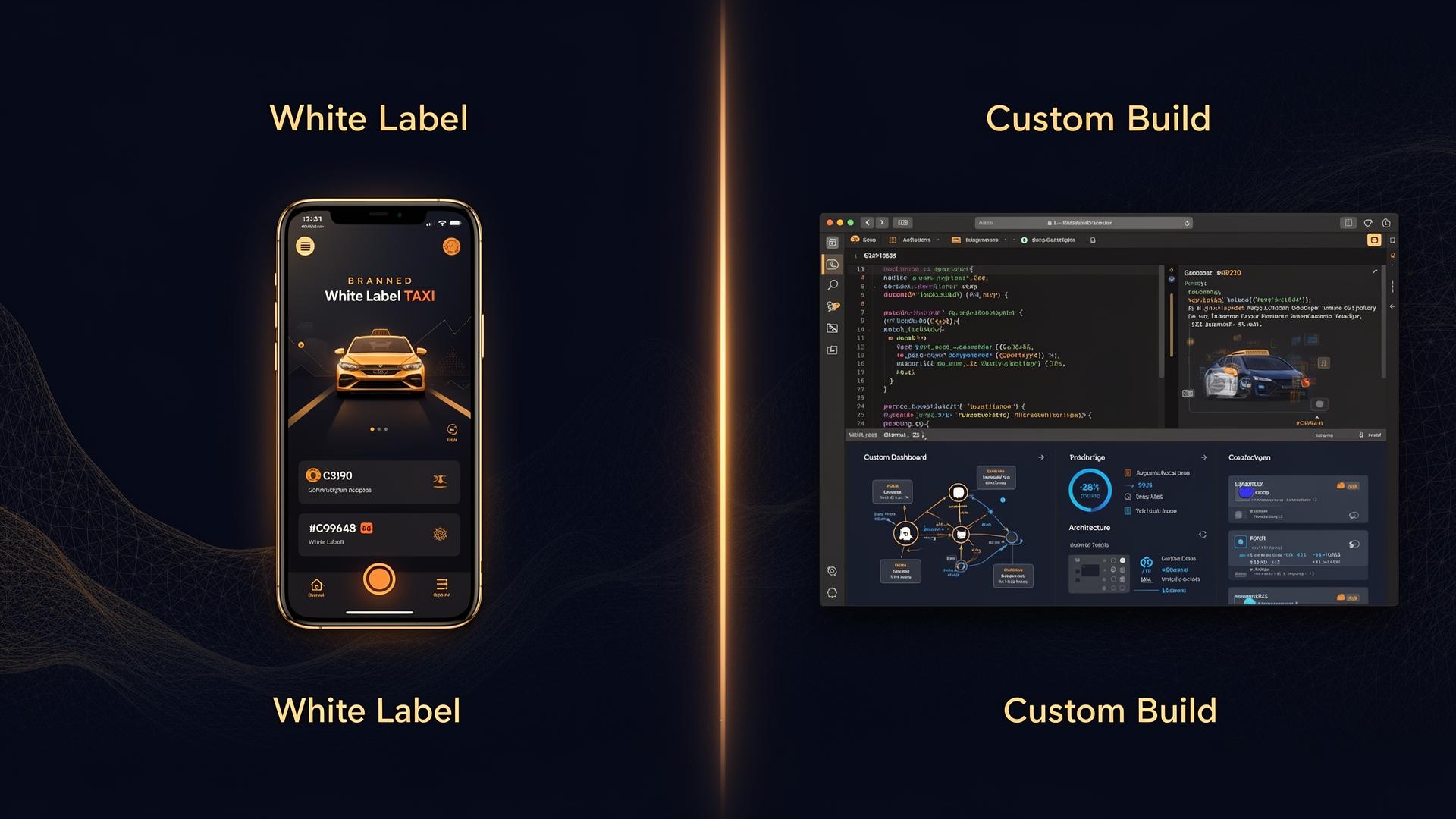
The NEMT software market spans everything from broker-tethered portals to full white-label operator platforms. A few principles keep the decision honest:
- Match the pricing model to your fleet. Per-vehicle monthly fees punish growth. If you're scaling, a flat operator plan or a one-time white-label build is usually cheaper over 24 months.
- Insist on owning your data. Your trip history, member relationships and billing records are the business. Confirm export rights before you sign.
- Test the billing path end to end. Book a trip, complete it in the driver app, and follow it all the way to a claim-ready export in the demo. If that path is clunky, no feature list makes up for it.
- Check the compliance paperwork. A vendor that can't produce a BAA and describe its HIPAA safeguards is a liability, not a bargain.
Bottom line
NEMT is a payer-funded, appointment-driven business dressed up to look like taxi work. The software you run has to reflect that or you will bleed hours and denied claims. Pick a platform that treats standing orders, broker feeds, mobility matching and claim-ready exports as first-class features — and hold your vendor to a signed BAA before day one.
Further reading: Taxi Dispatch Software Complete Guide 2026 · Online Booking System · Complete Solution Overview. This guide is informational and not legal or compliance advice; verify HIPAA and payer requirements for your jurisdiction.