Last updated: July 2026
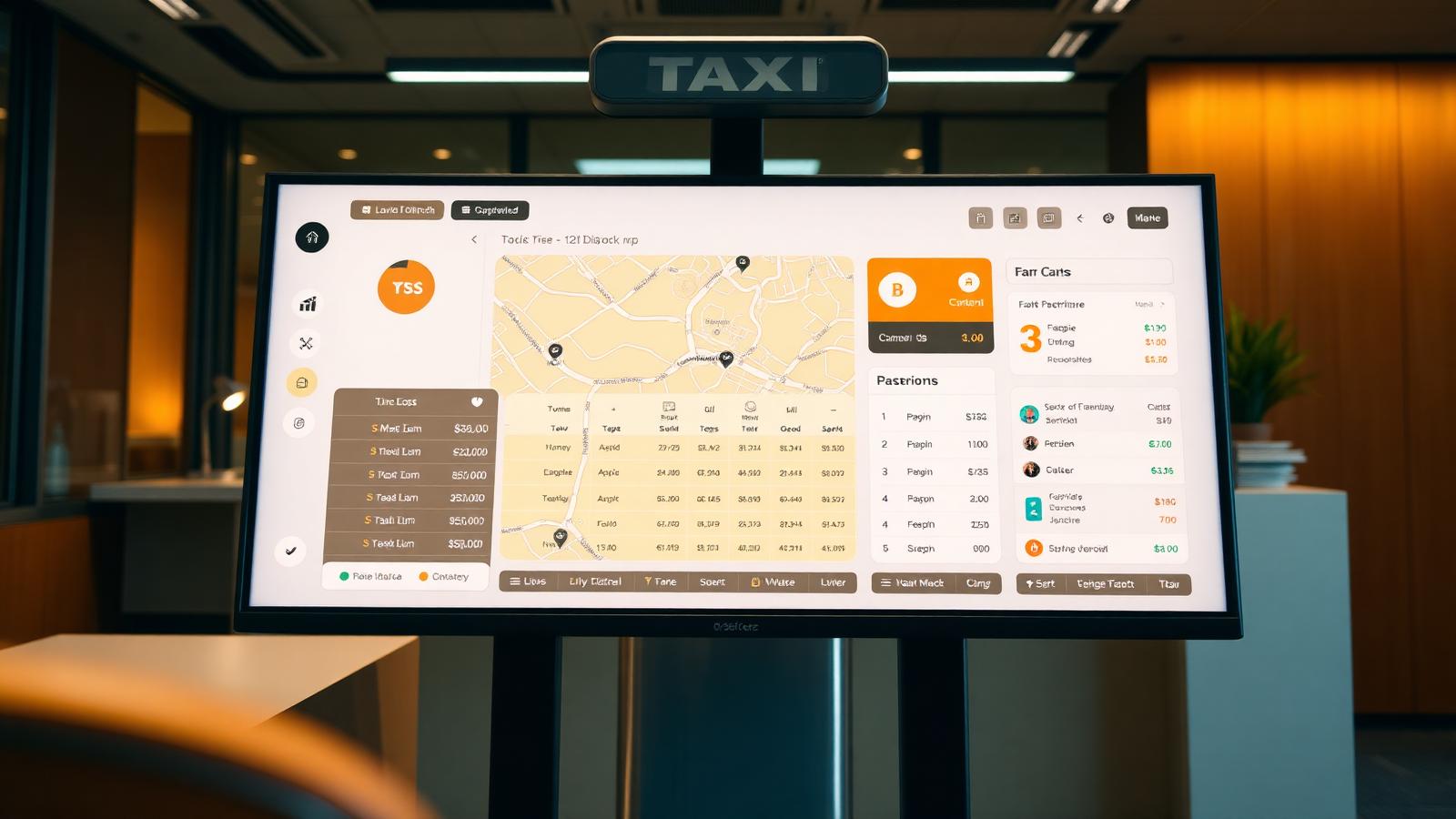
Private hire dispatch software handles pre-booked, account and contract work only, enforces PHV licensing and quotes fares up-front. Taxi (hackney) dispatch software adds street-hail acceptance, taximeter feeds and rank management. If you run both classes, you need a hybrid platform that applies the right rule set per driver — not two separate systems.
Why the Distinction Actually Matters
In the UK, Ireland and Australia the legal line between a private hire vehicle (PHV, minicab, VTC) and a hackney carriage (black cab, taxi) is one of the most enforced regulatory boundaries in transport. A PHV that accepts a street hail is committing an offence; a hackney that dispatches a pre-booked airport transfer without the right paperwork is not. Your dispatch software either understands this, or it puts your operator licence at risk within weeks of go-live.
The confusion is worse in 2026 because most SaaS vendors market a single "taxi dispatch" product and quietly bolt on PHV compliance later — usually badly. This guide walks you through what genuinely differs, what you can safely share across both fleets, and how to pick the platform that fits your mix.
The 8 Workflow Differences That Change Your Software Choice
- Booking origin. PHV = 100% pre-booked (phone, app, web, WhatsApp, corporate portal). Hackney = pre-books plus street hails and rank pickups.
- Fare timing. PHV quotes a fixed fare before dispatch. Hackney runs a live meter or tariff table that finalises at drop-off.
- Licence enforcement. PHV needs the triple — operator + driver + vehicle — checked and expiry-tracked. Hackney needs driver + vehicle only.
- Insurance windows. PHV insurance covers hire & reward only when a booking exists in the system. Your dispatch platform is the audit record.
- Dispatch radius. PHV can accept any pre-book anywhere; hackney is usually restricted to its licensing authority for street work.
- Driver app rules. PHV drivers should be physically blocked from marking "available for street hire". Hackney drivers need a "plying-for-hire" toggle plus a "pre-booked" mode.
- Reporting. PHV audits require every booking record; hackney audits focus on meter integrity and complaint logs.
- Corporate work. Almost all account and contract revenue (schools, councils, corporate travel) is PHV-only by contract wording.
What Both Fleets Genuinely Share
- Google Maps routing, ETAs and place autocomplete.
- Auto-dispatch scoring engine (distance + ETA + vehicle class + acceptance rate).
- Passenger apps, web booking widgets and phone-line CTI plug-ins.
- Stripe/Square/SumUp payments and corporate on-account invoicing.
- Driver app for job accept, navigation, cash/card capture and offline queueing.
- Compliance data store with 6-month+ retention and CSV export.
Roughly 70% of the platform is shared between PHV and hackney workflows. The 30% that isn't is exactly what causes vendor demos to look identical and production behaviour to diverge.
Feature-by-Feature Comparison
| Capability | Private hire (PHV) | Hackney taxi | Hybrid platform (needs both) |
|---|---|---|---|
| Street-hail acceptance | ❌ Blocked by design | ✅ Core workflow | ✅ Per-driver rule |
| Up-front fixed fare quote | ✅ Mandatory | Optional | ✅ Both modes |
| Taximeter integration | Not required | ✅ Mandatory | ✅ Mandatory |
| Rank / queue management | ❌ | ✅ | ✅ |
| Operator-licence check | ✅ Every booking | N/A | ✅ |
| Driver/vehicle expiry tracking | ✅ | ✅ | ✅ |
| Corporate accounts & invoicing | ✅ Primary channel | Occasional | ✅ |
| School / council contract module | ✅ | Rare | ✅ |
| Audit CSV export < 60s | ✅ Non-negotiable | ✅ | ✅ |
| Typical 3-yr TCO (15 vehicles) | £18–£28k SaaS | £20–£32k SaaS | £8.5k one-time (owned) |
How to Choose Based on Your Fleet Mix
1. PHV-only (minicabs, executive, VTC, chauffeur)
You do not need meter integration, rank management or street-hail rules. Prioritise: operator licence enforcement, corporate portal, quote engine, school-run module, and Xero/QuickBooks export. Good fits: Taxi Web Design VTC platform, iCabbi (SaaS), Cabsoluit (SaaS).
2. Hackney-only (rare outside UK/Ireland)
Meter feed is the make-or-break integration. Ask for a live demo with your specific meter model (Semel, Cygnus, Digitax). Rank management and airport-feeder queue tools matter. Good fits: Cordic, HaloTaxis, Autocab.
3. Mixed fleet (the majority of UK operators)
You need a single platform with per-driver licence-class tagging. Anything less means running two dispatchers, two driver apps and two audits — a proven margin killer. Good fits: Taxi Web Design hybrid platform, iCabbi Enterprise, Autocab Ghost.
The Five Compliance Fields Every PHV Booking Must Store
- Booking timestamp (created + accepted + completed).
- Operator licence number under which the booking was accepted.
- Driver licence number and expiry.
- Vehicle licence plate, VRM and expiry.
- Pickup + drop-off coordinates, fare charged, payment method.
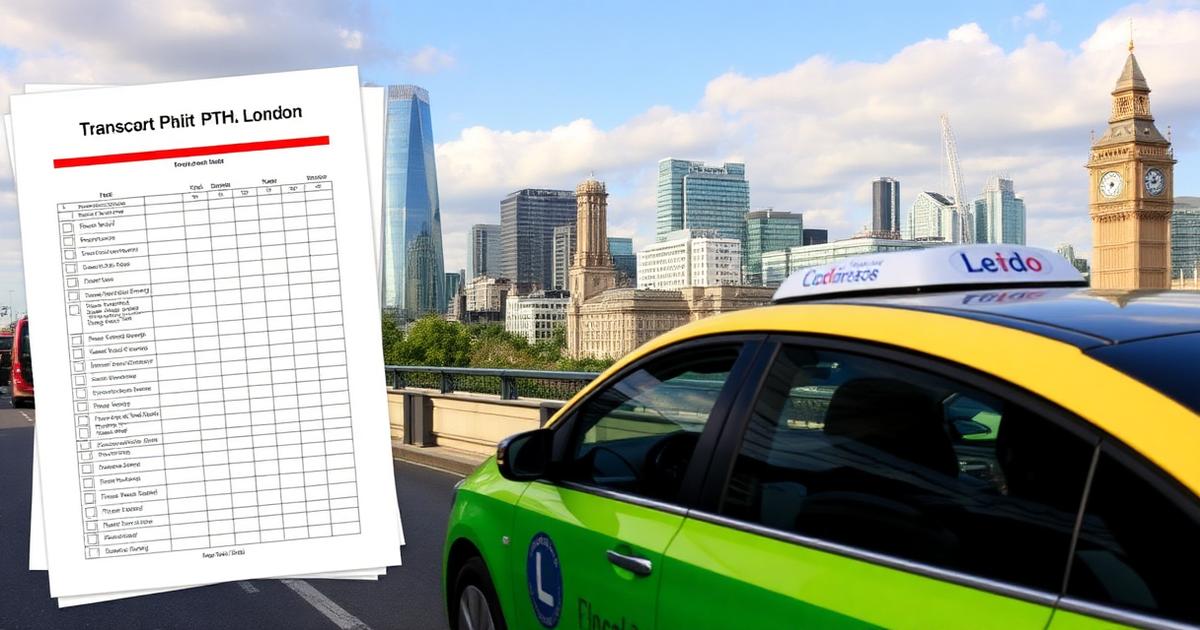
If your current system can't export those five fields for the last 12 months as CSV in under a minute, you will fail your next TfL or council audit. This is the single most common finding in 2025–2026 licensing inspections.
Where PHV Operators Lose Money on the Wrong Platform
- Per-trip commission on top of card fees. A 2% SaaS commission on £600k of annual bookings = £12,000/year lost — every year, forever.
- Vendor-owned app-store listings. When you churn, the app disappears. Insist on your own Apple + Google developer accounts.
- No corporate portal. Corporate work is 25–40% of revenue for a mature PHV fleet and has the highest margin.
- Weak licence-expiry alerts. One driver working with a lapsed badge for a week can cost you the operator licence.
- Manual re-keying to accounts software. A Xero export button pays for itself in the first month.
Migration: How Long Does Switching Actually Take?
For a 10–30 vehicle mixed fleet, a proper migration is 90 days: 30 days configuring tariffs, zones, drivers and corporate accounts; 30 days running the new platform in parallel with the old dispatcher on a single shift; 30 days stabilising and cutting the legacy system to read-only. Rush this and you will lose 5–10% of bookings during the switch. See the full sequencing in our operator's playbook.
Bottom Line
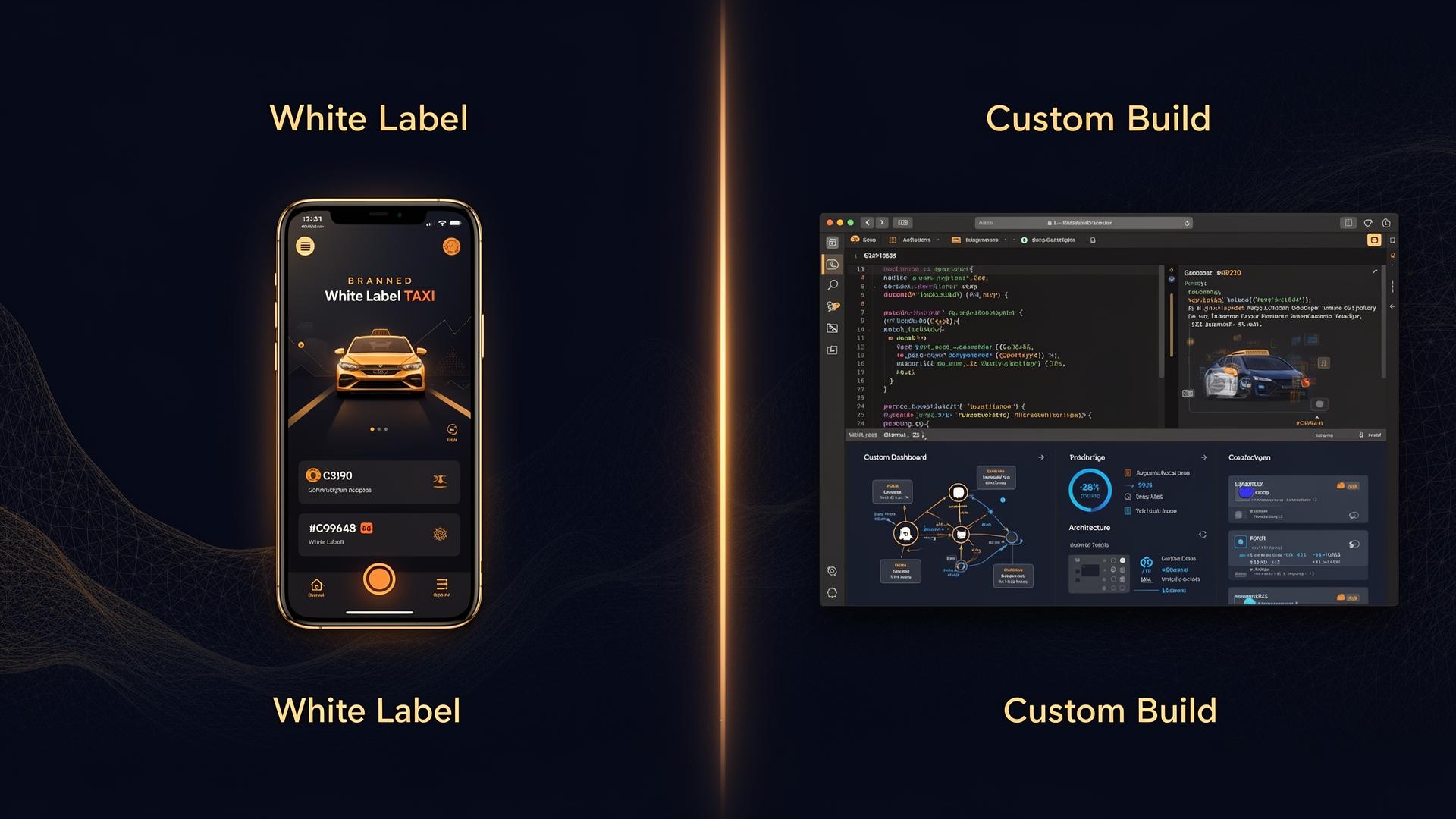
Private hire and hackney taxi dispatch are two different products dressed as one — and most SaaS vendors don't tell you which one they really built. If you're PHV-only, pick a platform that treats compliance as a first-class feature. If you're hackney-only, put the meter integration front and centre. If you're mixed (most UK operators are), refuse to sign anything that can't run both licence classes from a single dispatcher console. And on any three-year view, an owned white-label platform beats SaaS on total cost for every fleet above 8 vehicles.
Further reading: The complete operator's playbook · Small-fleet buyer's blueprint · UK private hire operator software · Enterprise pricing.