Pricing and incentives are the two levers that balance supply and demand. Used well, they get a car to a customer faster; used badly, they anger both sides. This guide explains dynamic pricing, surge, bonuses and heat maps for small and mid-size operators.
What is dynamic pricing in taxi software?
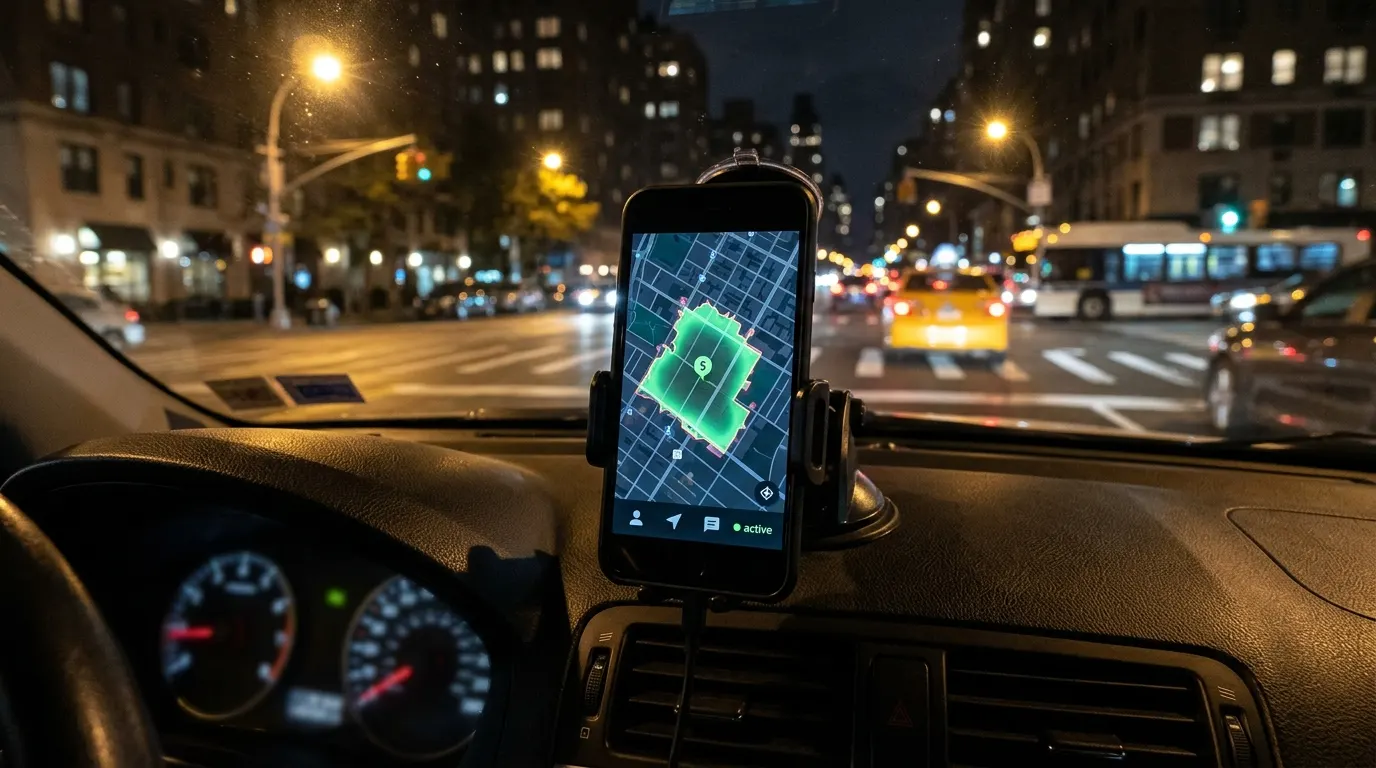
Dynamic pricing changes the fare with conditions: time of day, day of week, event, weather or demand. For a small operator the safest version is rule-based: for example, a late-night multiplier or a zone surcharge, with a cap, shown to the rider before booking.
How does surge management work?
- Detect: demand in a zone exceeds available drivers.
- Apply: a capped multiplier or a fixed surcharge.
- Show: the rider sees the final price before confirming.
- Reward: drivers are encouraged to move toward the zone.
- Release: the multiplier falls as supply catches up.
Fixed zone pricing is the calmer alternative; see zone-based pricing drivers will not game.
How do per-trip bonuses and regional incentives work?
| Incentive | How it works | Watch for |
|---|---|---|
| Per-trip bonus | Extra amount per completed trip in a window | Cost per extra trip |
| Zone bonus | Bonus for starting a trip in a target zone | Drivers abandoning other zones |
| Streak bonus | Reward for completing a number of trips | Fatigue and safety |
| Guaranteed minimum | Top-up to a minimum hourly earning | Budget and fraud |
Ask whether the platform supports each incentive by zone and time window, and whether it appears in the driver's earnings screen. Do not assume it does.
What do demand heat maps do?
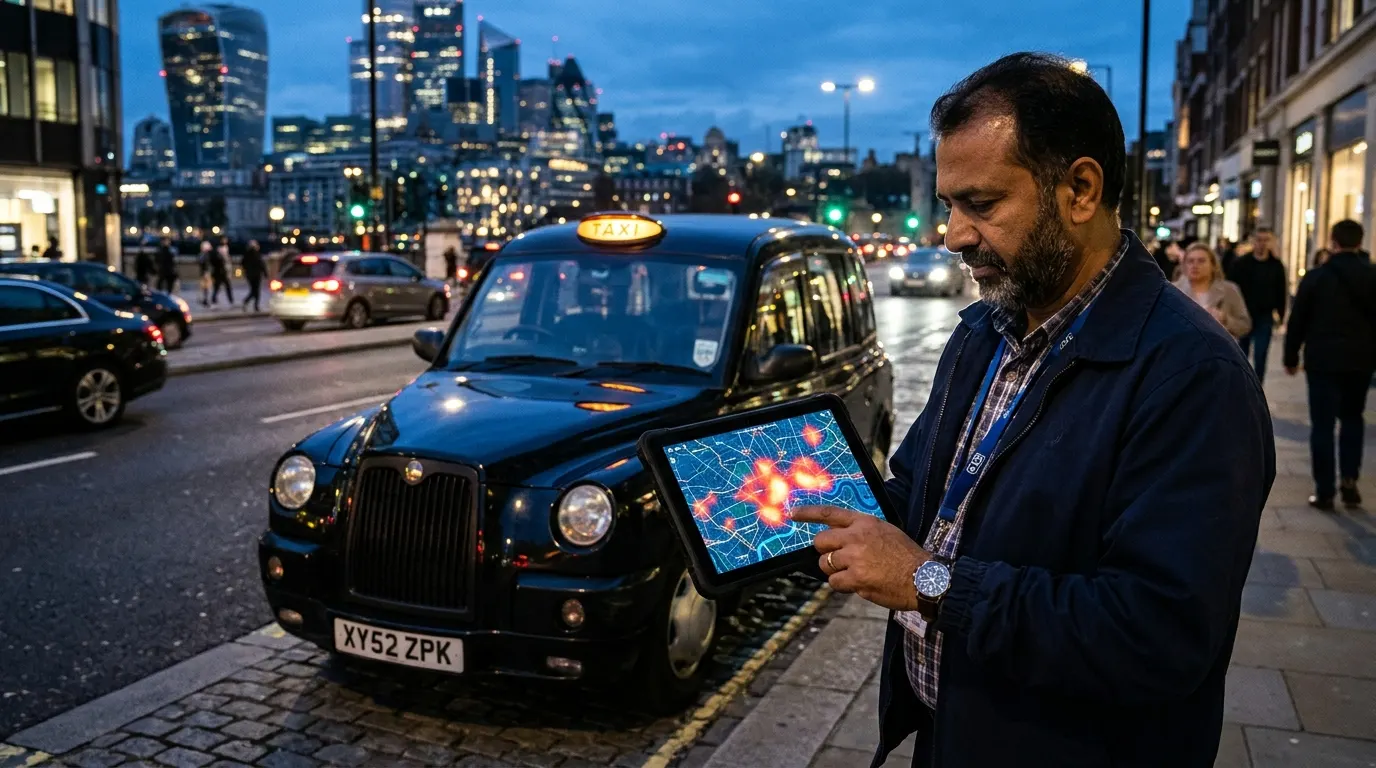
A heat map shows where bookings and unmet requests are concentrated. Dispatchers and drivers use it to reposition cars before demand peaks. See heat maps for fleet positioning and chain dispatch and driver earnings.
How should fare breakdowns be shown?
Show the rider a clear breakdown: base fare, distance or zone price, tolls, fees and tax. If you publish driver earnings, show them separately. Clear breakdowns reduce disputes and support calls. If you embed booking in another app, ask the vendor for fare-breakdown endpoints or an SDK.
How do rules differ by jurisdiction?
Some cities cap surge, require fares to be shown before booking, or set minimum driver pay. Configure rules per city and review them whenever the regulator updates guidance. Read our compliance and jurisdiction guide.
A safe way to start
- Use zone-based fares first.
- Add one time-based multiplier with a cap.
- Add a single zone bonus for a quiet area.
- Review customer complaints and driver feedback after two weeks.
Set zone fares and see demand on a live dispatch board
Taxi Web Design is dispatch, booking and branded-app software for taxi, limo and chauffeur operators: web plans from $399 setup plus $10 a month, app dispatch from $499 setup plus $149 a month, and zero booking commission. There is no free trial; instead you get a guided live demo and a sandbox to test with your own routes.