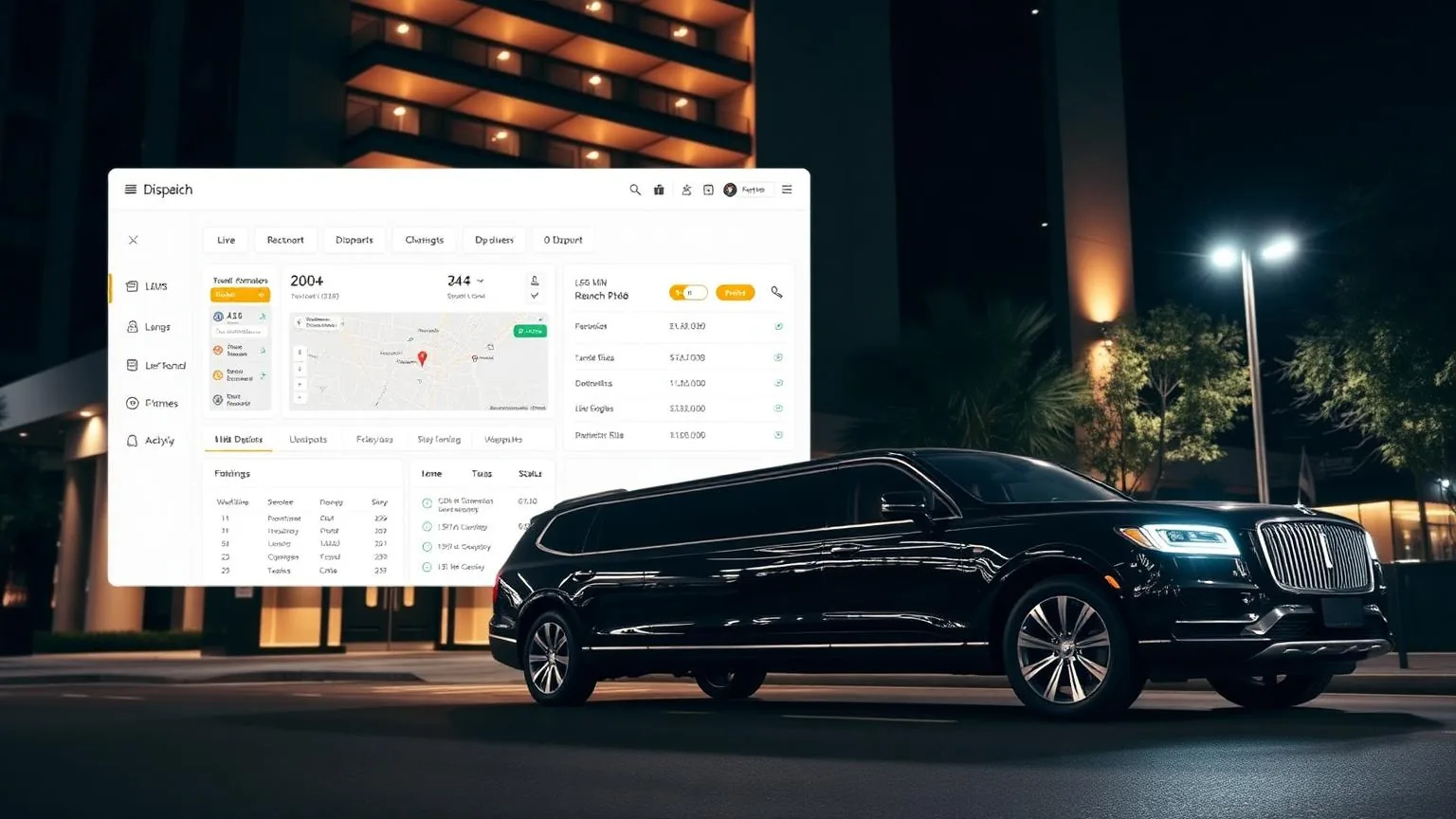
Shuttle, school and microtransit work is contract work: recurring routes, fixed riders and monthly invoices. This guide explains what dispatch software must do for each and how small fleets compete for the contracts.

What is microtransit?
Microtransit is shared, demand-responsive transport run with small vehicles. Riders request a trip, the system batches them into a route and the vehicle picks up and drops off along the way. It sits between a taxi and a fixed bus line.
| Model | Route | Booking | Typical fit |
|---|---|---|---|
| Taxi / private hire | Door to door | On demand or prebooked | Individuals |
| Microtransit | Flexible shared route | On demand or scheduled | Low-density areas, campuses |
| Fixed-route shuttle | Fixed stops and times | Timetable | Corporate and hotel loops |
What should microtransit dispatch software do?
- Batch shared bookings into runs.
- Show live vehicle position and ETA to riders.
- Support scheduled and on-demand requests.
- Report on-time performance and utilisation.
- Bill the contract by period.
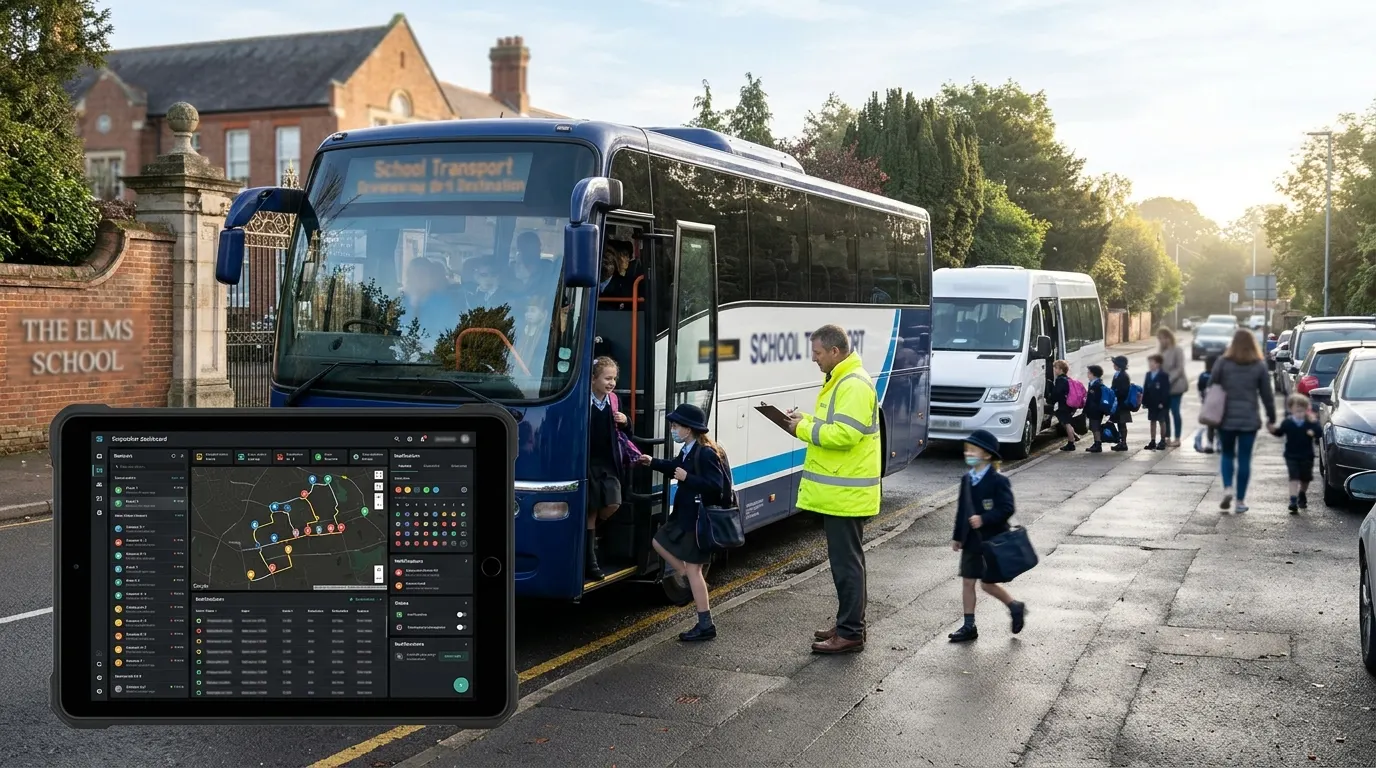
How do you manage school transport and billing?
- Keep a roster of pupils, routes, stops and escorts.
- Record boarding for safeguarding.
- Store driver checks and vehicle documents.
- Invoice the school or authority monthly against the contract.
See school run dispatch software for the UK and NEMT dispatch software.
How can small fleets compete for enterprise shuttle RFPs?
Buyers want evidence of reliability, not size: operating authority, insurance, driver and vehicle compliance, a backup plan, live tracking and a clean monthly invoice. A branded booking page and tracking link make a small fleet look and behave like a bigger vendor. For a fuller playbook, see winning corporate accounts.
White-label shuttle programs and vehicle requirements
Enterprise clients often want the service under their own name. Ask the platform whether domain, logo, colours, notifications and the rider app can all carry the client's brand. Vehicle age limits, seatbelts and amenities belong in the contract; record vehicle class and capacity in the system so only qualifying vehicles are assigned.
What about rider capacity and tracking?
Per-seat capacity stops overbooking, and QR or manifest boarding creates a record of who rode. Live tracking lets riders and clients see where the vehicle is.
See contract billing, manifests and live tracking in a demo
Taxi Web Design is dispatch, booking and branded-app software for taxi, limo and chauffeur operators: web plans from $399 setup plus $10 a month, app dispatch from $499 setup plus $149 a month, and zero booking commission. There is no free trial; instead you get a guided live demo and a sandbox to test with your own routes.