Affiliate disclosure: Taxi Web Design is an affiliate partner of BabyLoveGrowth.ai. If you sign up through the links on this page we may earn a commission at no extra cost to you. We only recommend tools we run on our own websites.
Almost every small business has written a content plan. Very few have finished one. The plan is rarely wrong — the sequencing is usually sensible and the topics are usually right. What kills it is week three, when a busy period arrives and the person who was going to write the articles has a job to do.
This is a plan built with that failure in mind: correctly sequenced, and structured so the parts that stall can be automated away.
Why sequence matters more than volume
Publishing thirty unrelated articles produces thirty orphan pages. Publishing thirty sequenced articles produces a topical cluster: one authoritative commercial page surrounded by supporting content that links into it, each piece reinforcing the others. Search engines and assistants both reward that shape, because it demonstrates coverage of a subject rather than a scattering of keywords.
So the order is: pillar first, questions second, comparisons third, local or niche last.
Week 1 — the commercial foundation
- Day 1. Your pillar page: what you sell, who it is for, what it costs, what happens next. State real prices. Vague pricing pages neither rank nor get cited.
- Day 3. A "how it works" explainer covering the process end to end, linking to the pillar.
- Day 5. A pricing deep-dive that answers the exact cost question buyers type into search.
- Day 7. A "who this is for" page separating your ideal customer from the ones you should decline.
Week 2 — question coverage
This is the week that earns AI citations. Take the fifteen questions you are asked most on the phone and answer each on its own page, with the answer in the first hundred words under a question-shaped heading. These pages rank quickly because almost nobody bothers to write them properly, and they are the passages assistants lift. The mechanics are covered in how to get cited by ChatGPT, Perplexity and Gemini.
- Days 8, 10, 12, 14. Four question pages, each 800 to 1,200 words, each linking to the pillar and to one another.
Week 3 — comparison and proof
Comparison content converts better than anything else you will publish, because it catches buyers at the moment they have narrowed to a shortlist.
- Day 16. You versus the obvious alternative, with a real table and honest limitations.
- Day 18. "Best [category] in 2026" — a genuine ranked roundup, including competitors.
- Day 20. A case study or before-and-after with concrete numbers.
- Day 21. A buyer's checklist your prospects can actually use during evaluation.
Let the calendar run itself
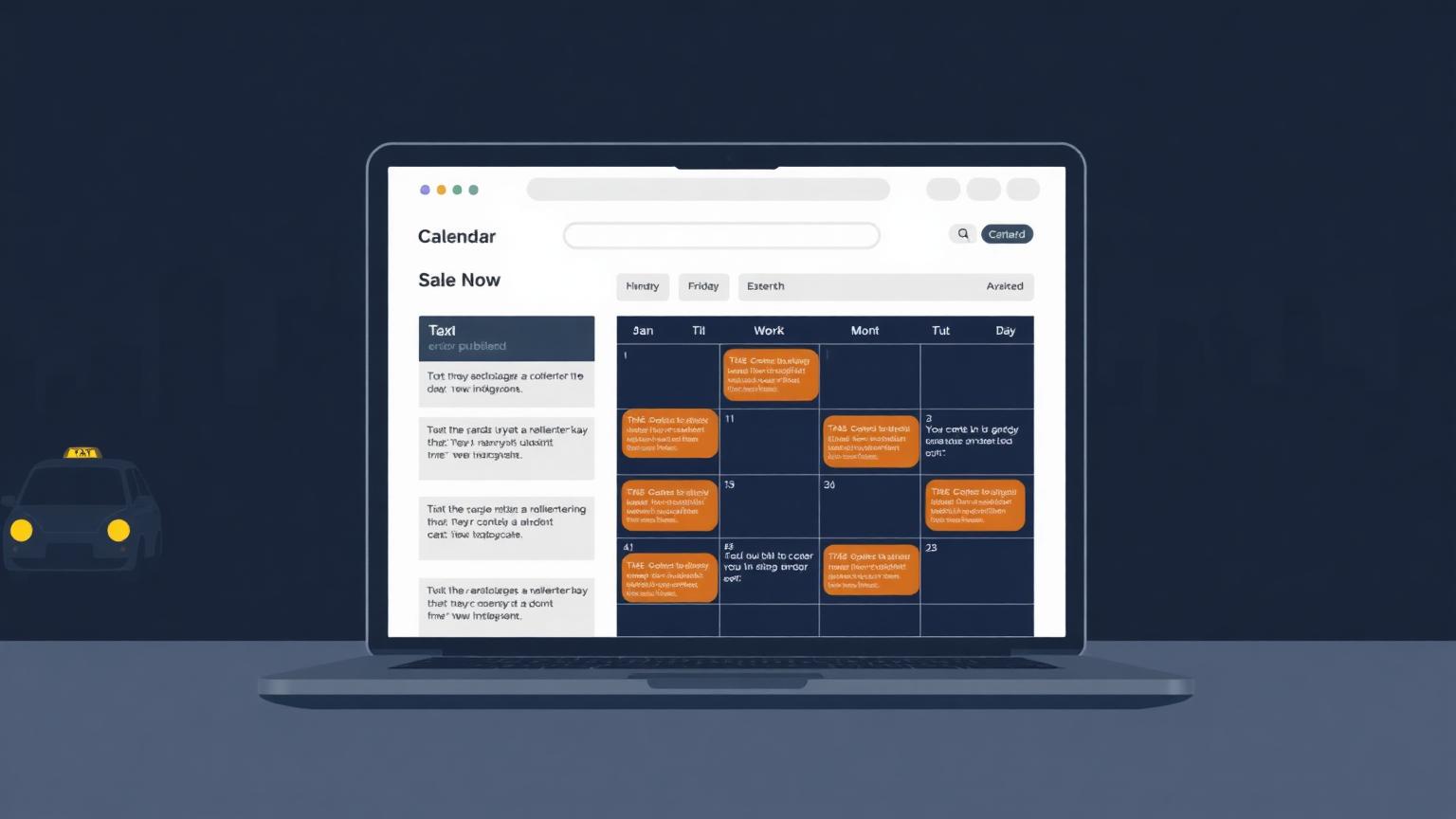
Keyword discovery, a dated 30-day plan, the articles written in this structure, and automatic publishing to your CMS. You keep the ten-minute editorial review.
Start free 👉 See our SEO automation stack
Start free 👉 babylovegrowth.ai
Week 4 — local, niche and refresh
- Day 23. A location or niche page targeting "[service] in [city]" with genuinely local detail — rules, districts, landmarks, prices. Templated location pages with the city swapped do not rank.
- Day 25. A second location or vertical page.
- Day 27. An industry trends piece establishing that you know where the market is going.
- Day 29. Refresh your two strongest existing pages: fresh data, new internal links, updated dates.
- Day 30. Review Search Console. Find pages ranking eleven to twenty and plan next month around lifting them.
What to measure at day 30
| Metric | Healthy at 30 days | Healthy at 90 days |
|---|---|---|
| Pages indexed | 90%+ of published | 95%+ |
| Impressions | Rising week on week | 3–10x month one |
| Keywords in top 100 | 20–60 new | 150–400 |
| Keywords in top 10 | 0–5 | 10–40 |
| Organic enquiries | Occasional | Weekly |
Do not judge month one on leads. Month one is an indexation and impression exercise; conversion follows in month three onward.
The part you should automate
Look back at the calendar and mark which tasks genuinely need you. The keyword research does not. The drafting does not. The formatting, meta tags, schema and publishing certainly do not. What needs you is a ten-minute pass per article to add your real prices, your local knowledge and your opinion — the things no tool can know.
That division is exactly what an autopilot platform is for. BabyLoveGrowth.ai produces the plan, writes to this structure, and publishes on the dates above, leaving you the editorial review. Our detailed assessment is in the BabyLoveGrowth.ai review, and the cost comparison against doing it with separate tools is in replace your expensive SEO stack.
Repeat, do not restart
Month two is not a new plan. It is the same shape aimed at the gaps month one exposed: more question pages where impressions appeared, more comparison content where buyers clicked, and a refresh pass on anything stuck on page two. Run that loop for six months and the compounding does the rest.
Ninety days of publishing, planned today
Start free, review the plan it builds for your domain, and let the calendar run while you get on with the business.
Start free 👉 See our SEO automation stack
Start free 👉 babylovegrowth.ai